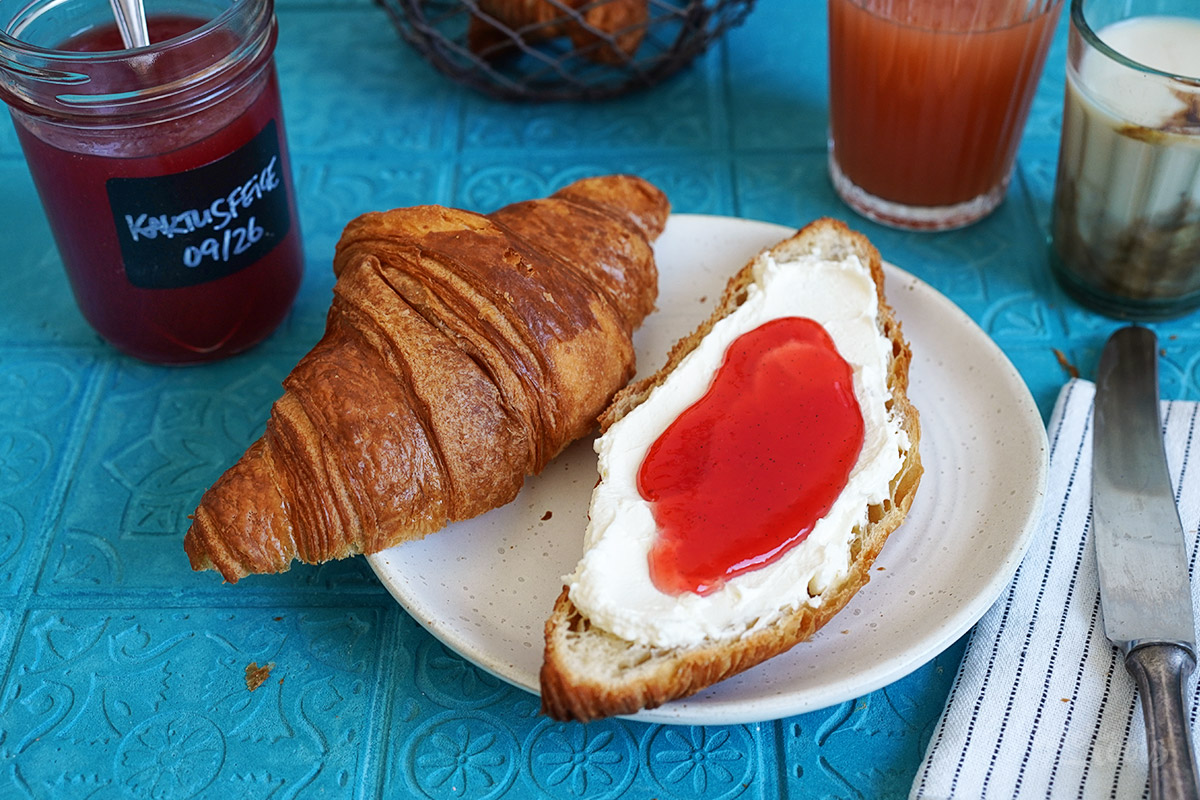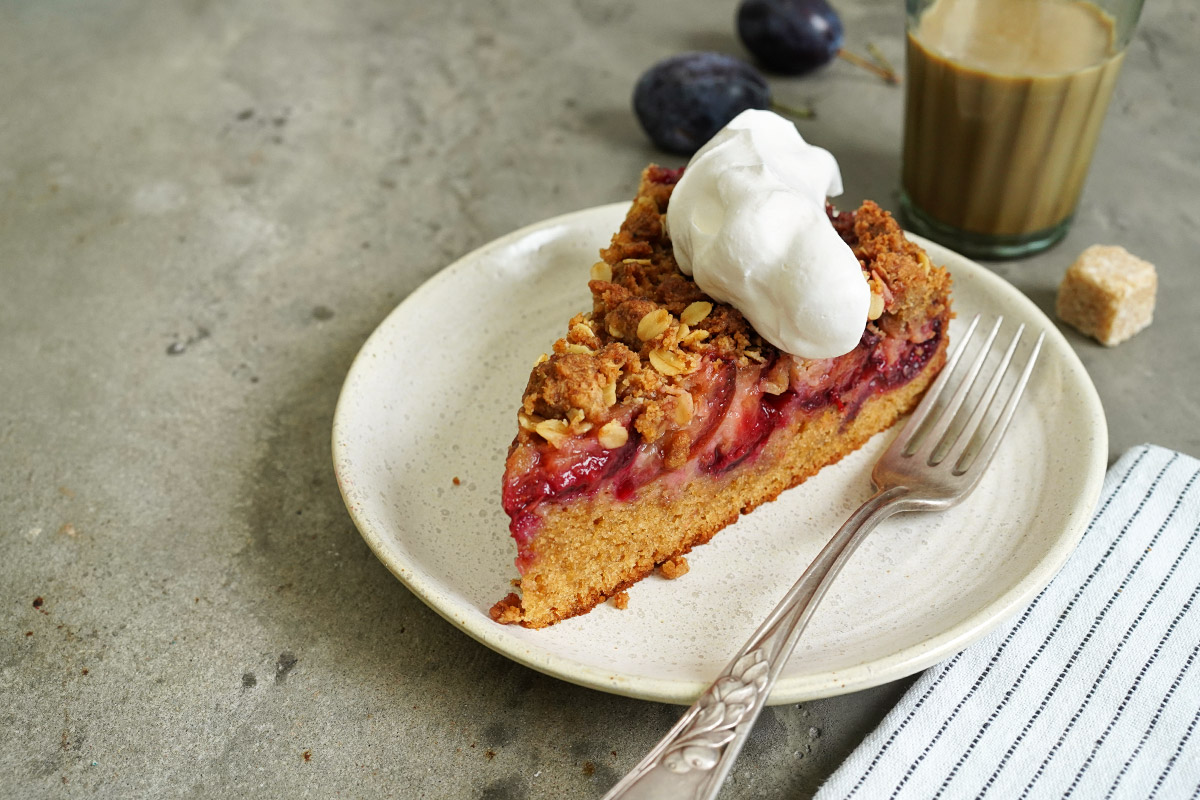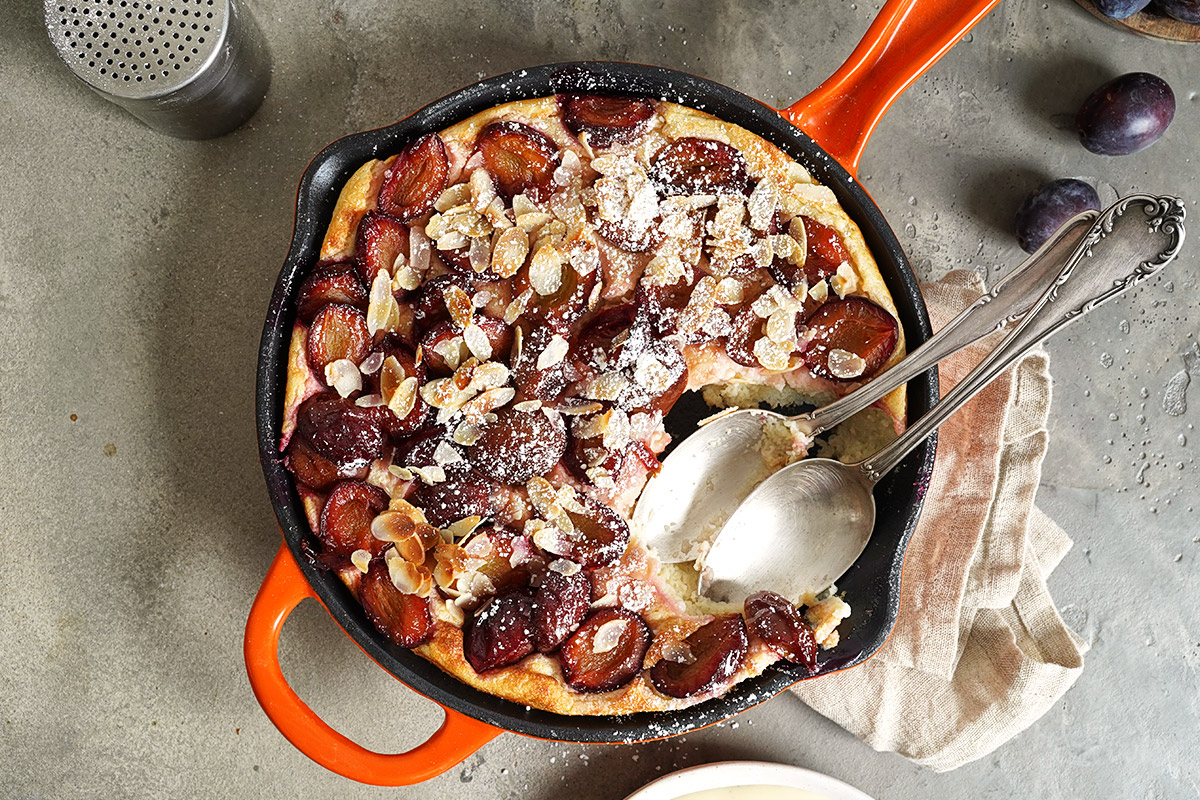


We are big fans of making things at home rather than buying them at the supermarket. This includes items like pickles, sauerkraut, kimchi, canned fruit, and, of course, jam. A simple jam like this German Damson Plum Jam (no sugar added) is incredibly easy to make and allows you to turn fresh fruit into something wonderful you can enjoy for a long time. That is the main idea, after all: making use of what you have on hand and preserving it for as long as possible…
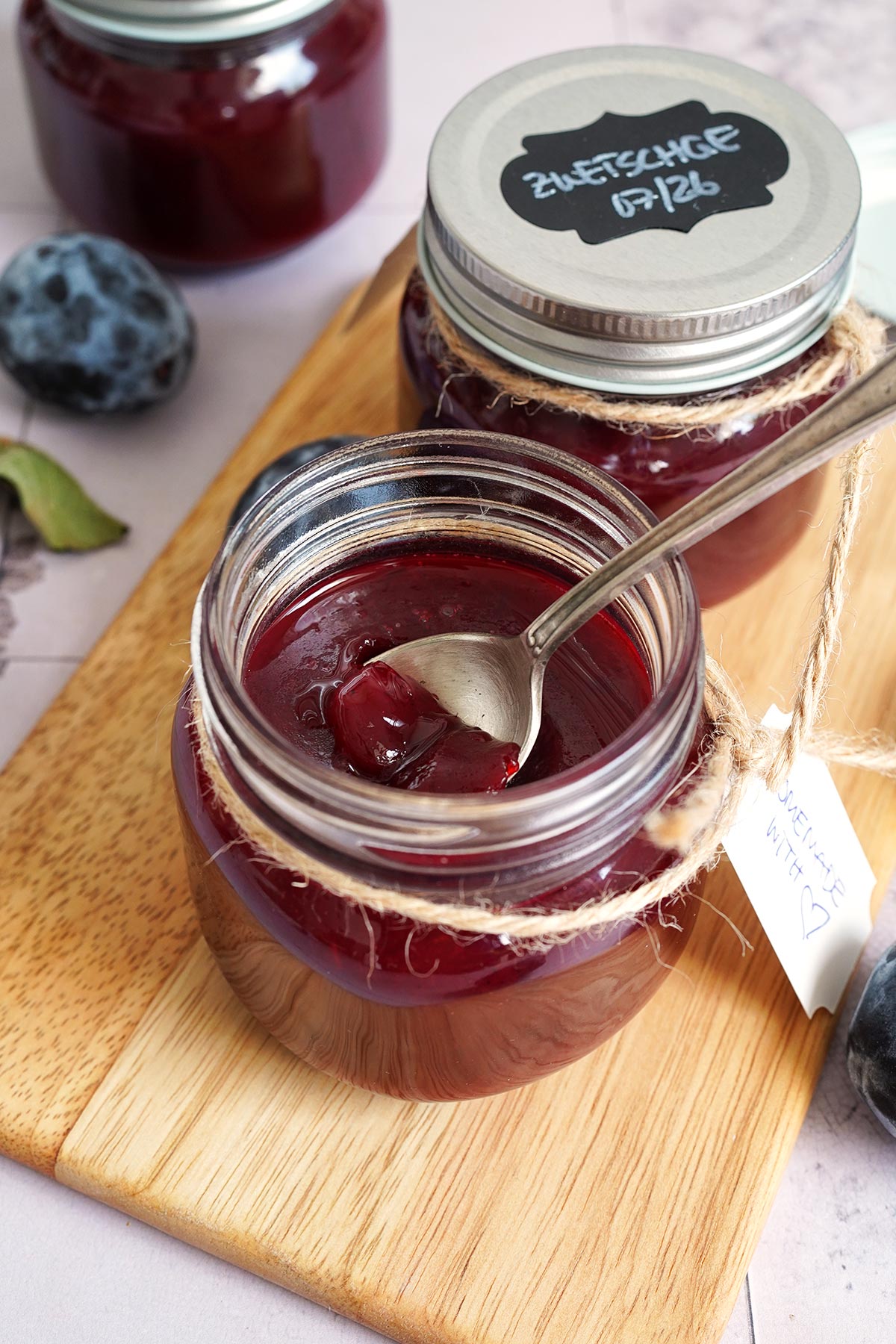
Making jam at home has become a regular part of our routine. I used to think that making jam was far too much work. But once you’ve processed a few types of fruit or berries, you quickly realize just how easy the whole process is. Essentially, it involves nothing more than briefly cooking the fruit or berries with gelling sugar and then pouring the mixture into jars.
This plum jam is no different. The fruit is macerated in a little »sugar« and cinnamon beforehand – something that’s a bit difference compared to most other jams we’ve made so far. Otherwise, there are no real differences in turning the fruit into jam. Okay, there is one distinction from »standard« jam: we haven’t used actual sugar for this jam, opting instead for a gelling agent and a sugar substitute. This sets our jams apart from most of the varieties you find in supermarkets.
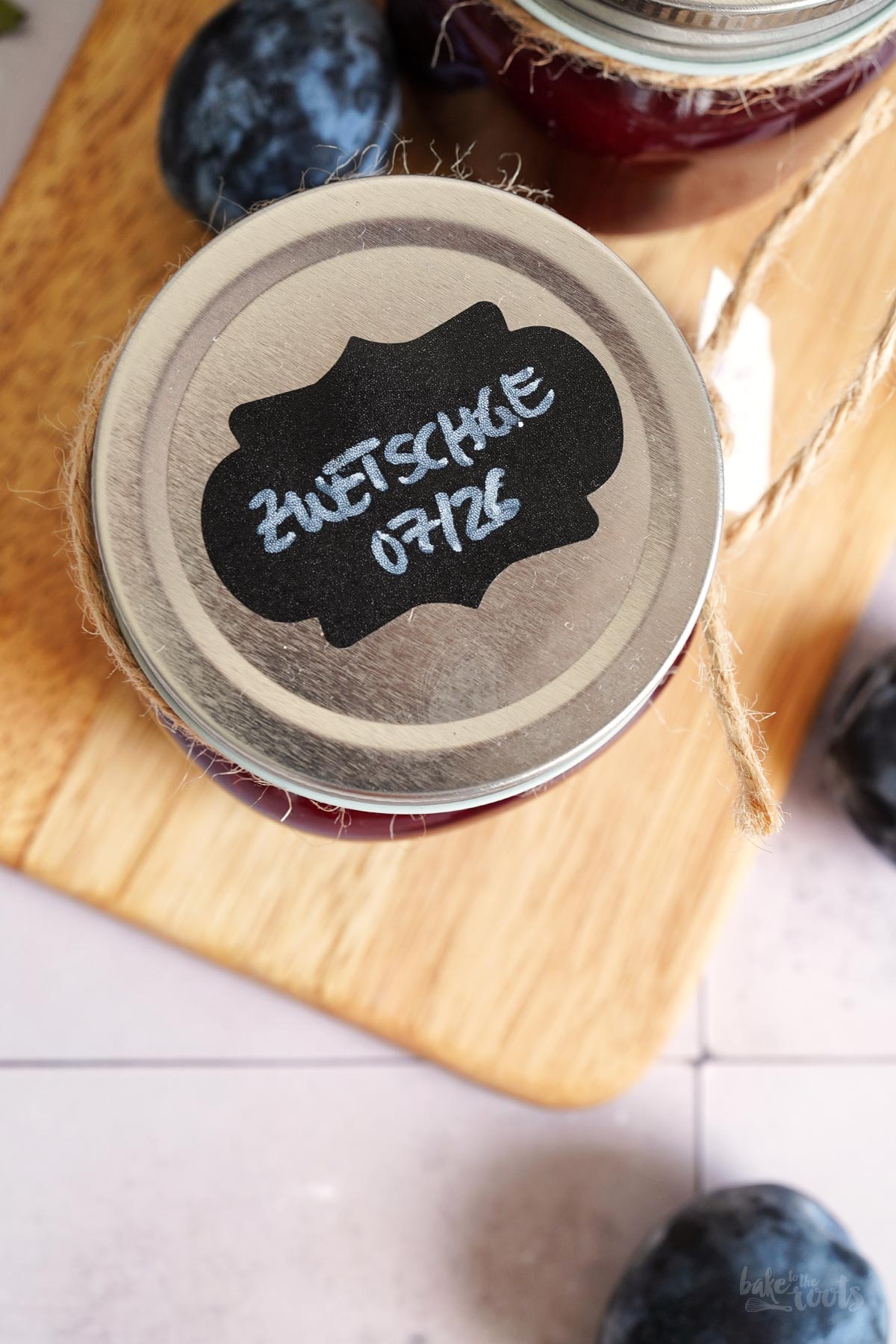
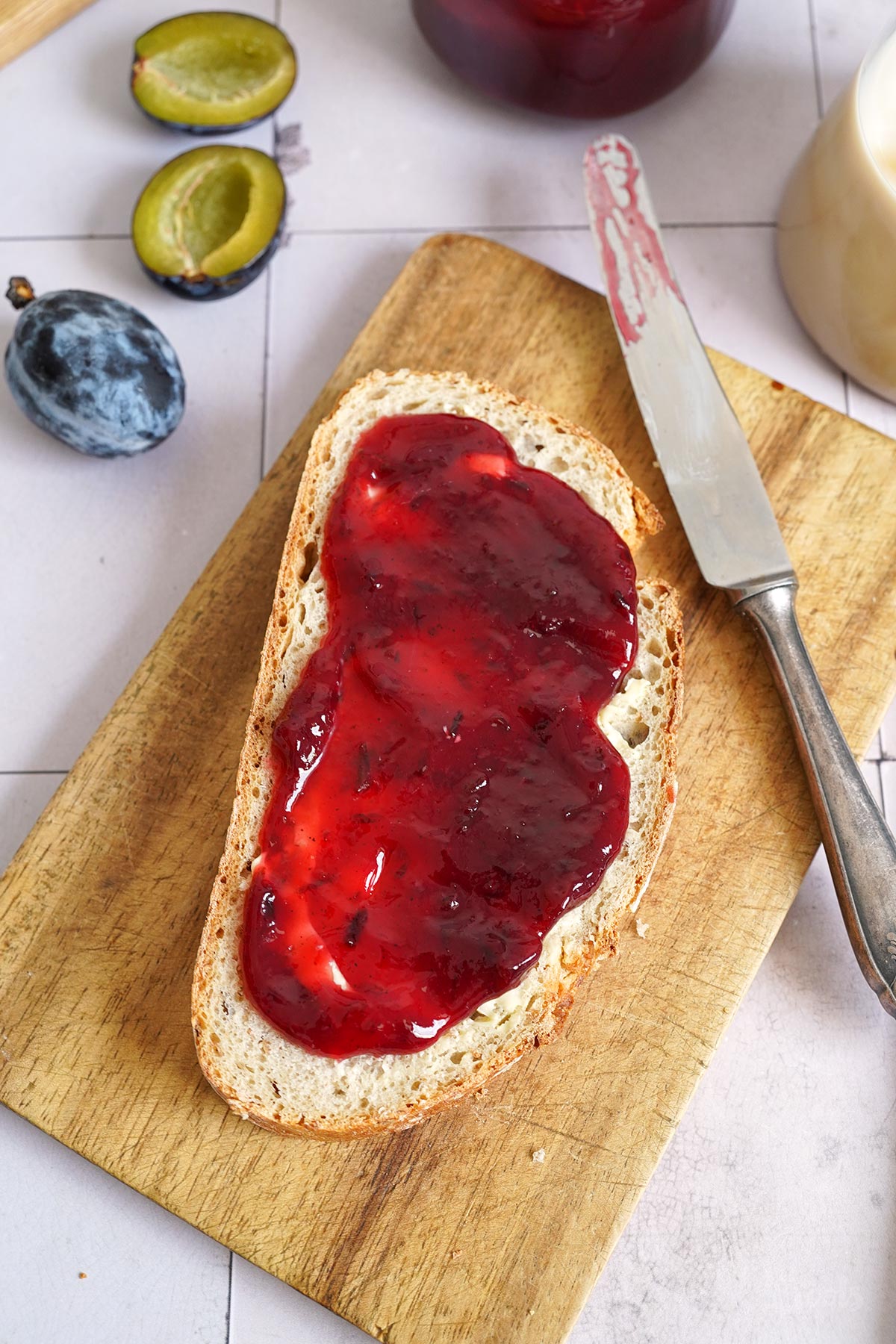
Preparing sugar-free or reduced-sugar jam differs very little from making regular, classic jam that’s normally packed with sugar. You prepare the fruit or berries just as usual (washing, drying, and removing any unwanted bits) and then you cook them down with something that gives the cooked fruit/berries some texture. When making a standard jam that’s typically preserving sugar containing a plant-based gelling agent (such as pectin), an acidifier, and occasionally preservatives like sorbic acid.
When making sugar-free or reduced-sugar jam, a gelling agent is still used, but the sugar is replaced by an alternative such as xylitol. The result is a jam that is (almost) indistinguishable from the original. Equally tasty and equally sweet.
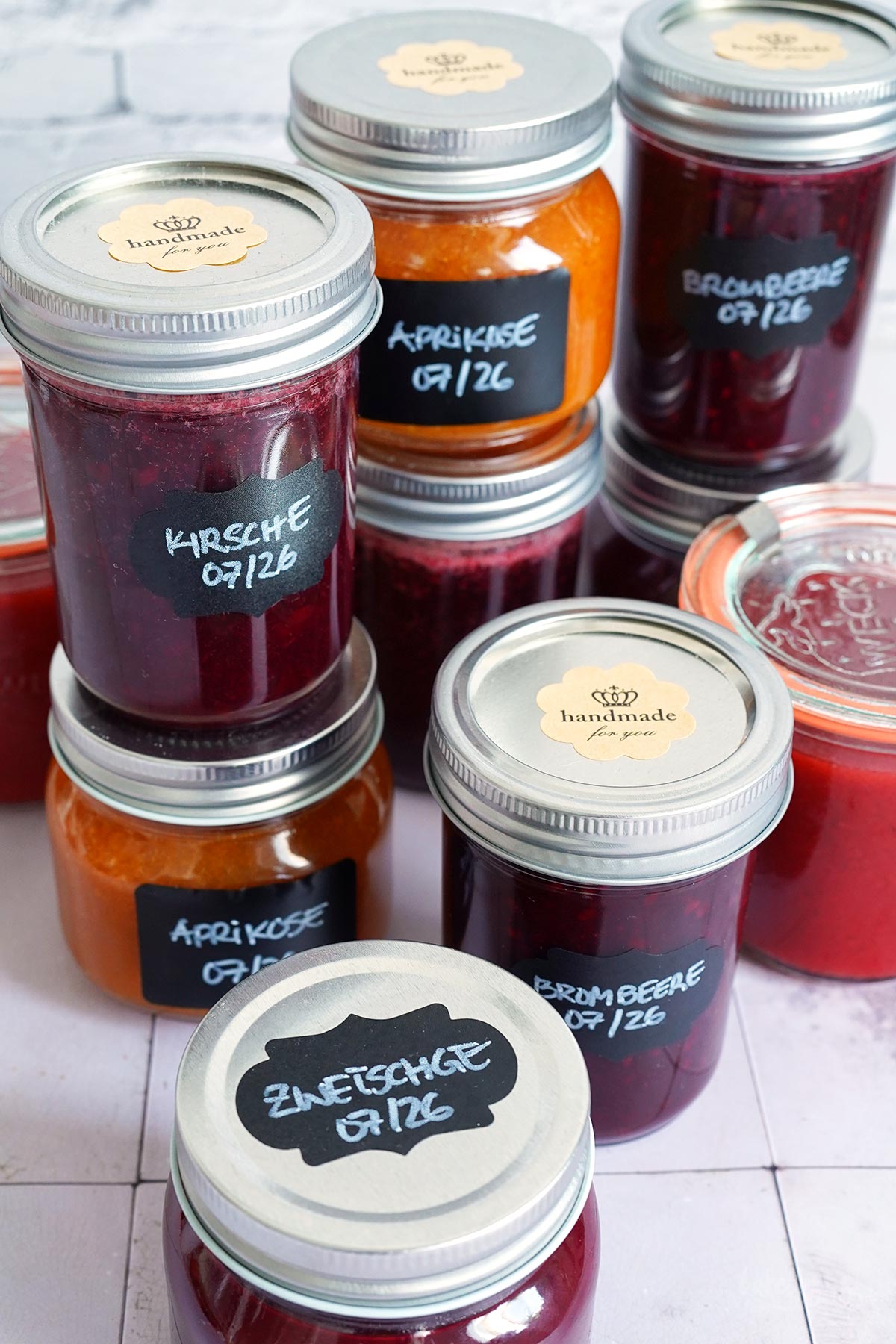
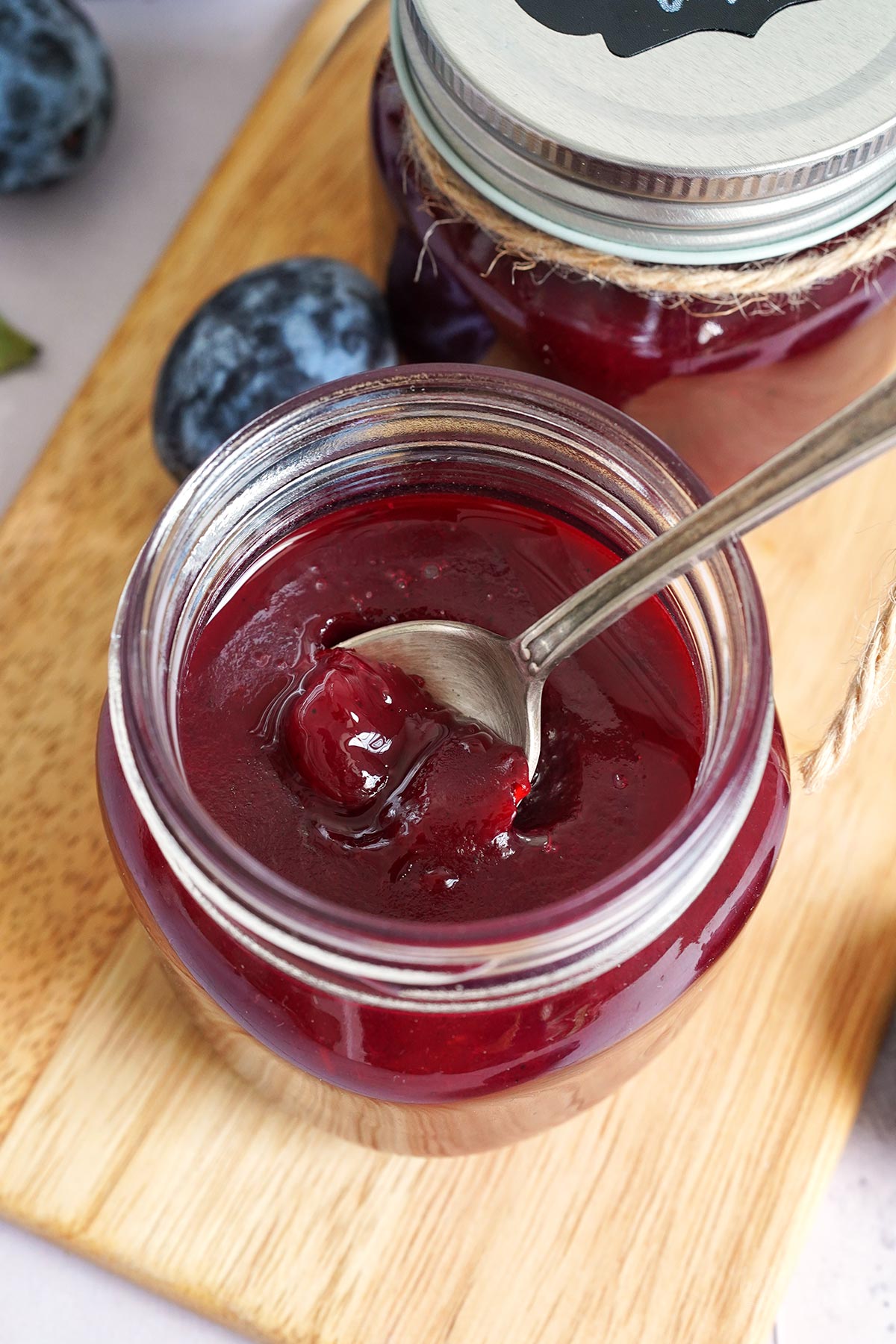
Jam made with xylitol often doesn’t keep quite as long as jam made with sugar, though. Although xylitol has an inhibitory effect on bacteria, it doesn’t perform that specific task of preserving the fruit/berries quite as effectively as sugar does. Consequently, xylitol-based jam generally has a shorter shelf life than the regular jam your grandma always made. The sugar alternative offers a 1:1 sweetness ratio compared to sugar, so there is no compromise on taste. However, xylitol can create a slight cooling sensation on the tongue if consumed in large quantities. Yet, given the small amounts of jam typically spread on bread or bread rolls, this is rarely an issue.
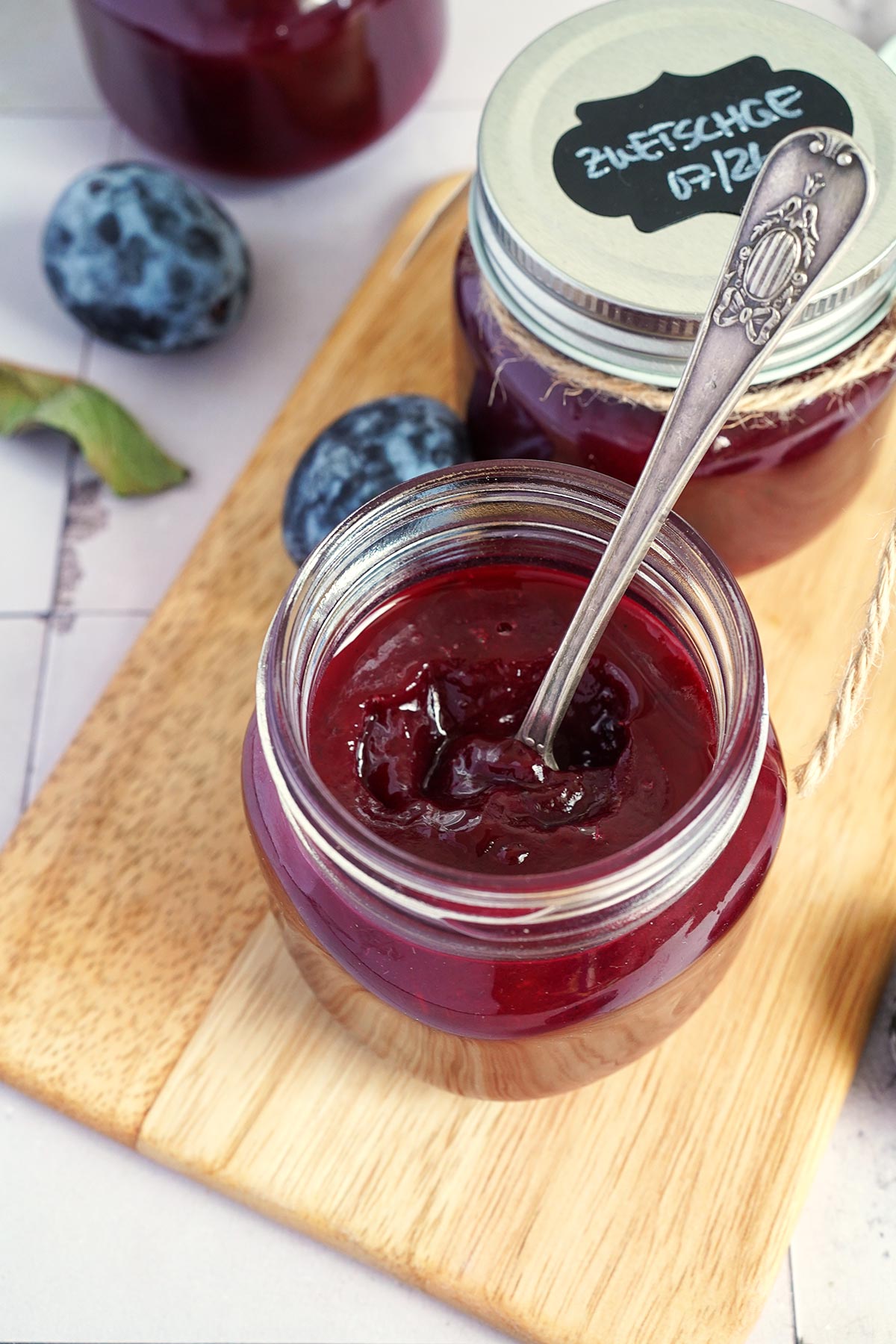
We have noticed that the texture of xylitol-based jam can sometimes be a bit softer than what you might be used to with regular sugary jam. When it happened to me, I’m not entirely sure if this was due to the xylitol or the gelling agent used. In theory, the ratio of fruit or berries to gelling agent could also have been slightly off when the texture is not 100% perfect… Or the jam might not have been cooked down long enough… who knows?! There are several points in the process where things can go slightly off track. You can see from the photos that the texture turned out perfectly for this sugar-free jam here. Well, even if it had turned out a bit softer, however, it wouldn’t have detracted from the great flavor.
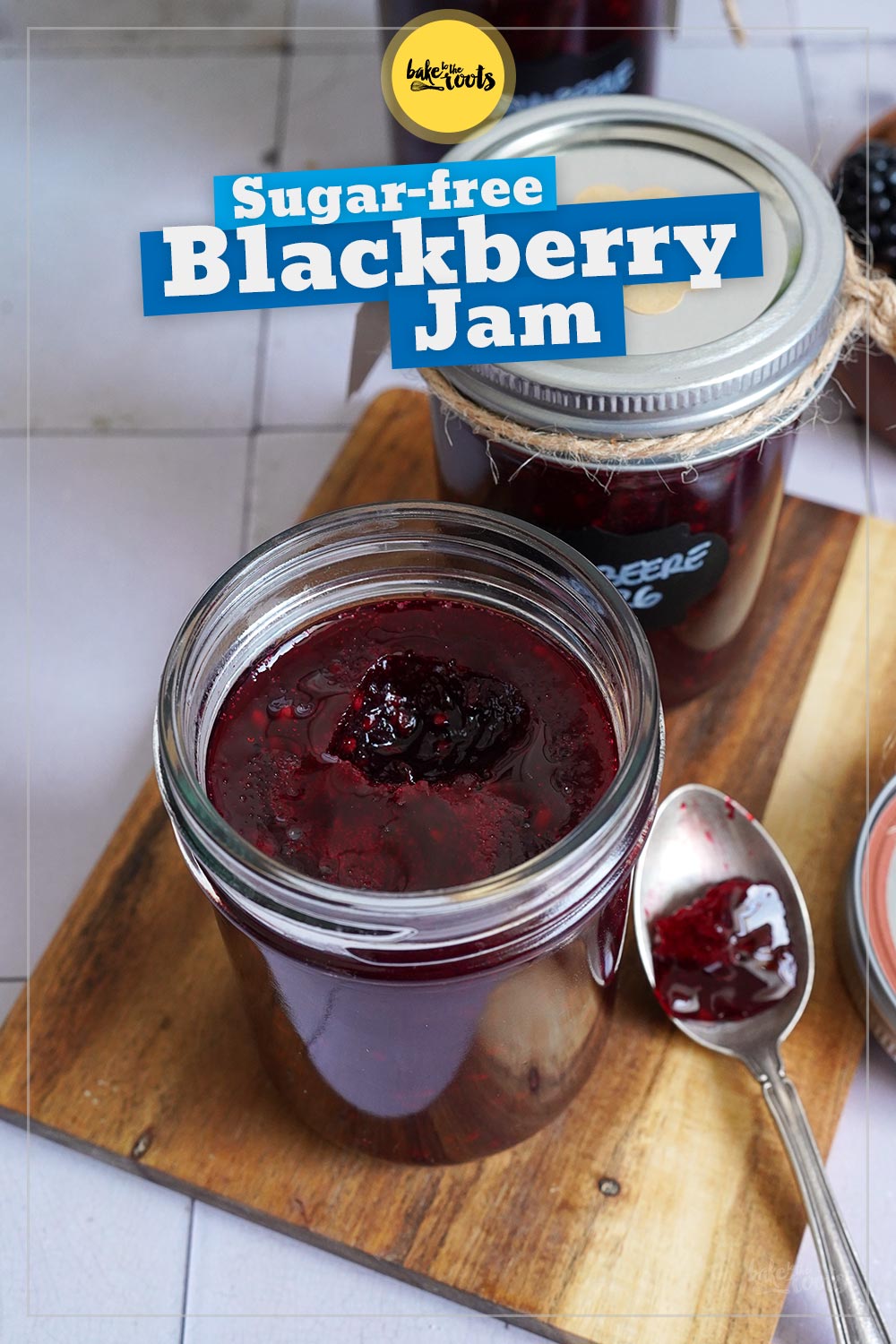
Anyway. We love making our own jam here. That’s why there are already quite a few recipes on the blog – many of them are sugar-free or reduced-sugar. A fantastic example is our simple Sugar-free Blackberry Jam. It’s truly delicious, and you wouldn’t notice the slightest difference compared to sugary versions – not in flavor and not in texture.
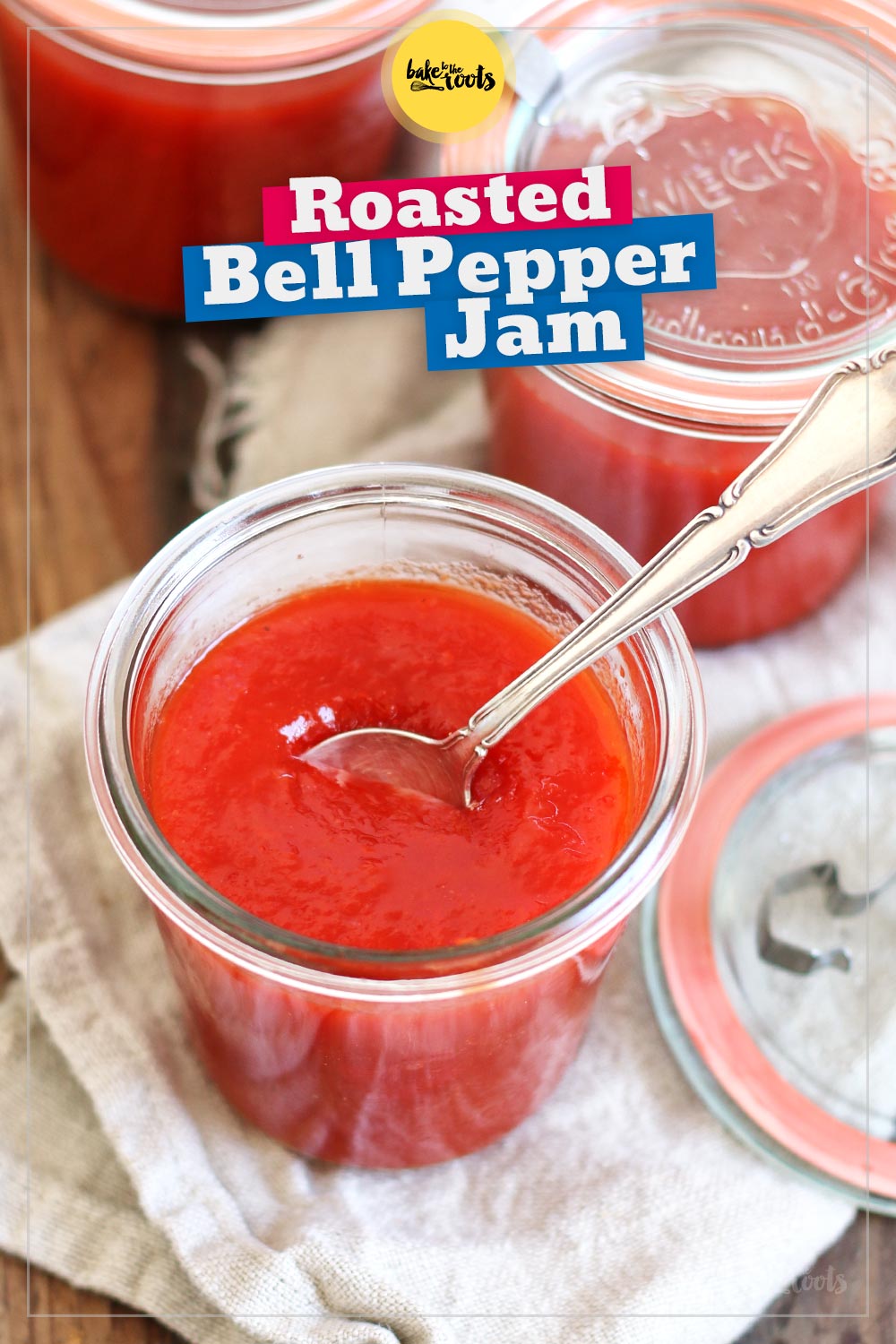
If you’re looking to try something a bit more unusual when it comes to jam, you should definitely check out our Roasted Bell Pepper Jam. We brought the idea back home from Spain and it’s so good! That particular recipe dates back to a time when we used sugar for just about everything, though. So this one is quite sugary. Then again, it’s not *that* big a deal with jam, right?! After all, you don’t exactly shovel it in by the spoonful. You tend to use it more sparingly on bread or bread rolls, right?
INGREDIENTS / ZUTATEN
(6 glass jars, 240ml each)
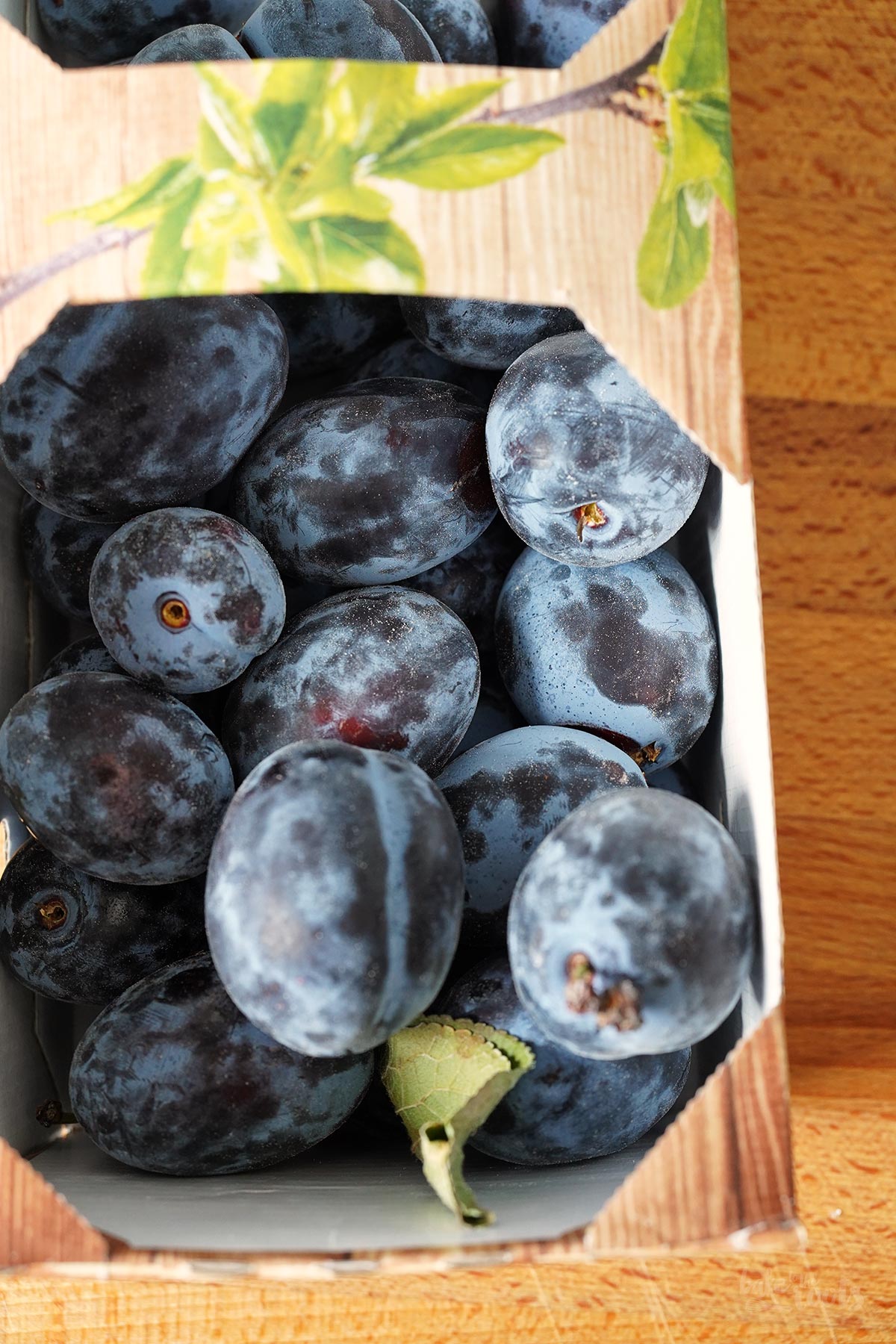
35 oz. (1 kg) fresh Damson plums, pitted
17.6 oz. (500g) xylitol*
1 tsp. vanilla powder*
1 tsp. ground cinnamon*
1 sachet (25g) gelling powder (Gelierfix 2:1)*
2 tsp. lemon juice
(6 Gläser à 240ml)
1 kg Zwetschgen, entsteint
500g Xylit*
1 TL Vanillepulver*
1 TL Zimt*
1 Beutel (25g) Gelierfix (2:1)*
2 TL Zitronensaft

DIRECTIONS / ZUBEREITUNG
1. First sterilize the glass jars* and lids – either by boiling them in plenty of water or heating them in the oven. Be careful with the lids, they might not withstand the same heat as the glass jars. Set aside and let dry.
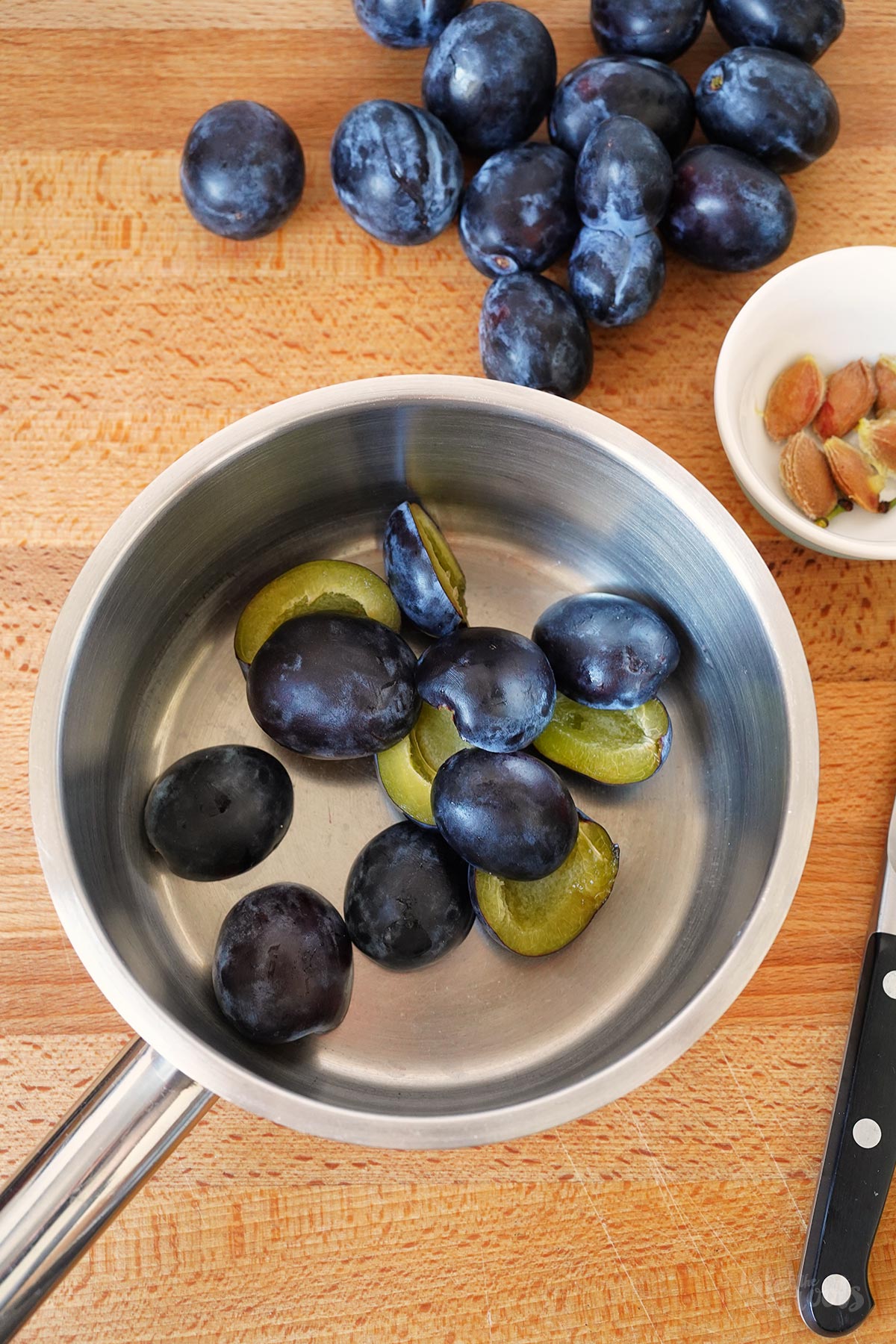
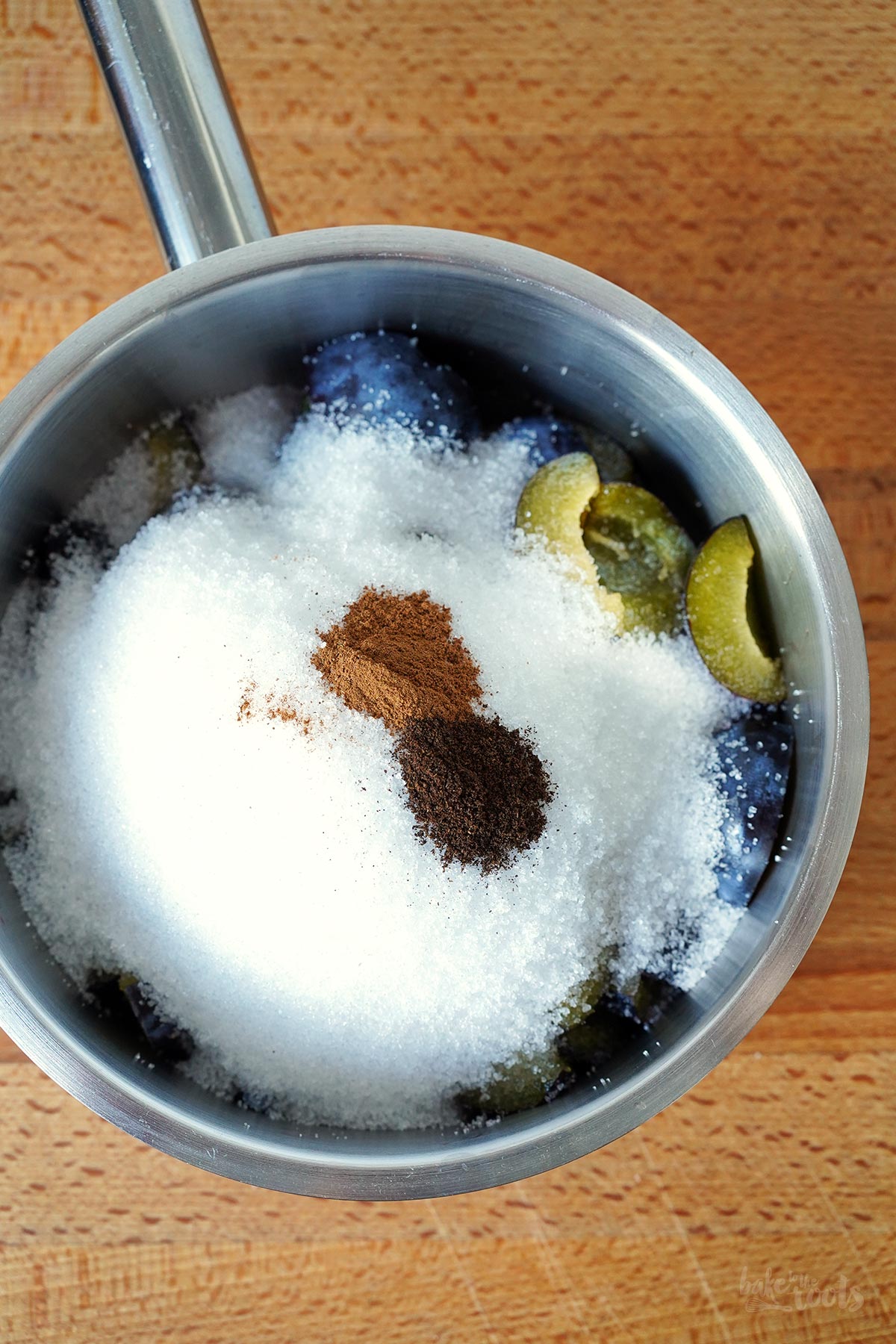
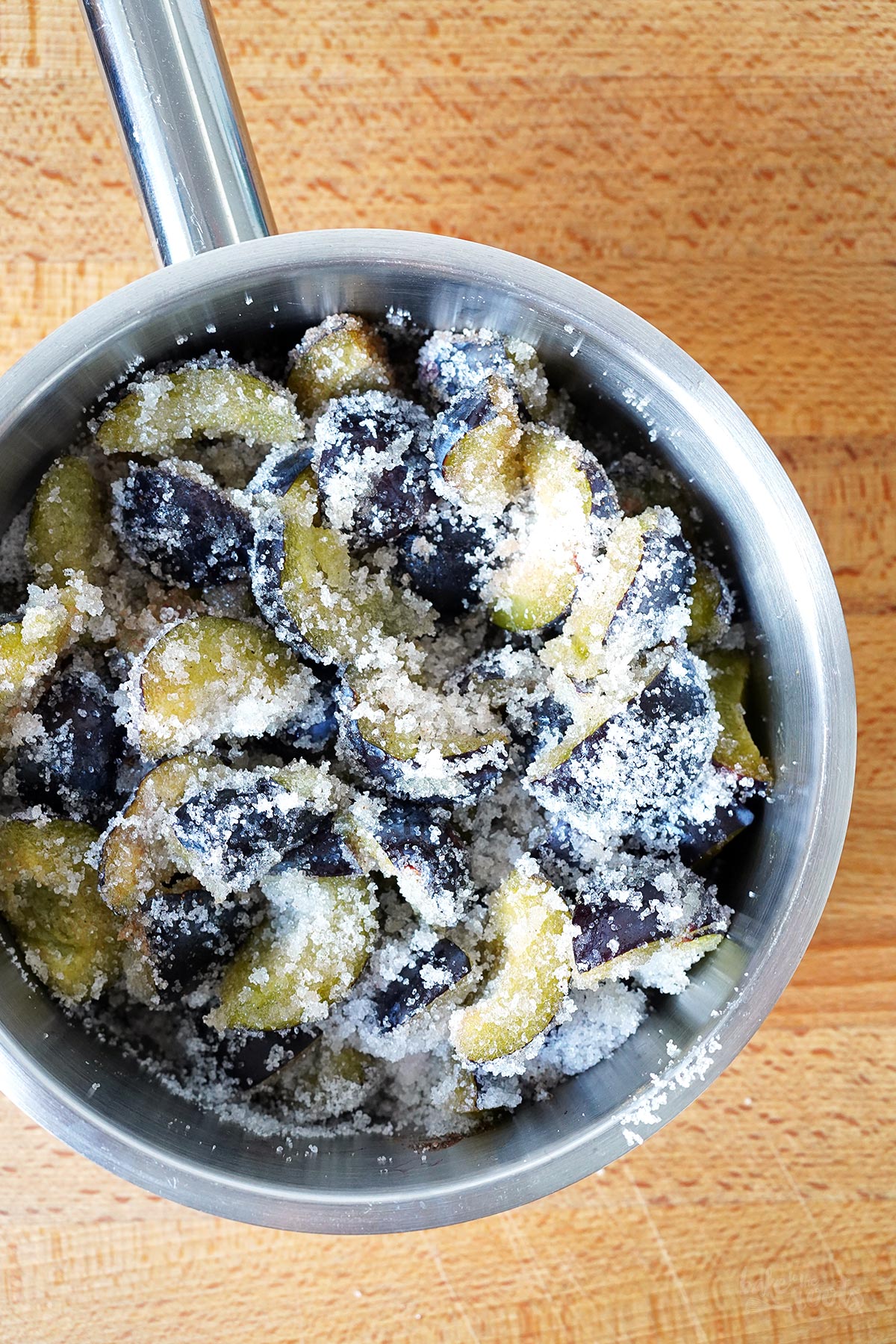
2. Wash the damson plums, dry them, half them and pit them. Cut the halved plums once again in half and add them to the saucepan you want to cook them in later on. Add the xylitol, vanilla powder, and ground cinnamon as well and mix everything. Cover and let sit for about 1 hour.
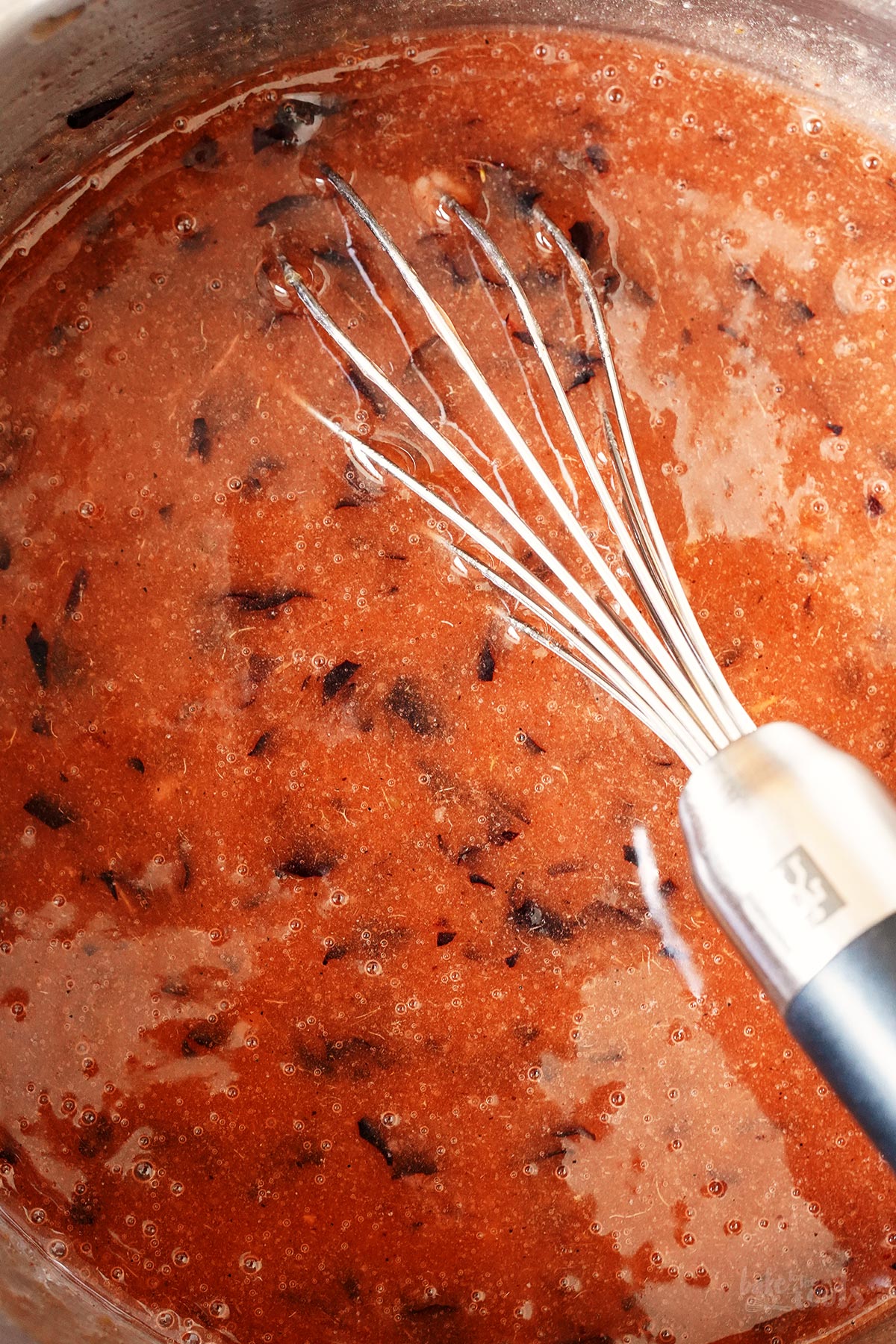
3. Add the gelling powder (Gelierfix) and lemon juice, then purée everything using an immersion blender*. If you want some larger pieces, purée only briefly.
4. Bring the mixture to a boil, then let it boil vigorously for about 4–5 minutes while stirring constantly. Do a gelling test (using a small plate) – if the jam sets quickly, it is ready to be canned. If not, simply cook it a tiny bit longer.
5. Transfer the jam to the prepared glass jars and seal them tightly immediately. There is no need to turn the jars upside down. Let them cool completely. Store the jars in a cool, dark place (e.g. basement). If you worked with clean equipment, the unopened jam should keep for 1–2 years. Once opened, store in the fridge and consume within 2–6 weeks.
1. Die Einmachgläser* und Deckel sterilisieren – entweder in genügend Wasser auskochen oder im Backofen erhitzen. Vorsicht bei den Deckeln – die halten nicht automatisch so viel Hitze aus, wie die Gläser. Zur Seite stellen und trocknen lassen.
2. Die Zwetschgen waschen, abtrocknen, halbieren und entsteinen. Die Zwetschgenhälften jeweils noch einmal halbieren und in den Topf geben, in dem später eingekocht werden soll. Xylit, Vanillepulver und Zimt dazugeben und alles gut vermengen. Abgedeckt für etwa 1 Stunde ziehen lassen.
3. Das Gelierfix und den Zitronensaft zum Topf dazugeben und dann alles kurz mit einem Pürierstab* pürieren. Wer ein paar Stücke in der Marmelade möchte, sollte hier weniger pürieren.
4. Die Mischung aufkochen lassen, dann unter ständigem Rühren etwa 4-5 Minuten sprudelnd kochen lassen. Den Geliertest machen (mit einem kleinen Teller) – wird die Marmelade zügig fest, kann abgefüllt werden. Wenn nicht, einfach noch ein klein wenig länger kochen lassen.
5. Die Marmelade in die vorbereiteten Gläser füllen und sofort gut verschließen. Auf den Kopf stellen ist nicht notwendig. Alles komplett abkühlen lassen. Die Marmeladengläser an einem dunklen, kühlen Ort (z.B. Keller) lagern. Wenn sauber gearbeitet wurde, sollte die Marmelade ungeöffnet 1-2 Jahre durchhalten. Nach dem Öffnen im Kühlschrank lagern und innerhalb von 2-6 Wochen aufbrauchen.

Craving more? Keep in touch on Facebook, Instagram and Pinterest for new post updates and more. You can also contact me with any questions or inquiries!
Here is a version of the recipe you can print easily.
Print
German Damson Plum Jam (no sugar added)
- Prep Time: 00:10
- Cook Time: 00:05
- Total Time: 05:00
- Yield: 6 1x
- Category: Homemade Stuff
- Method: -
- Cuisine: Germany
- Diet: Diabetic
Description
A classic German jam that grandma loved to make – only this version is made without sugar. We love this No-Sugar Damson Plum Jam a lot. It’s so good!
Ingredients
35 oz. (1 kg) fresh Damson plums, pitted
17.6 oz. (500g) xylitol*
1 tsp. vanilla powder*
1 tsp. ground cinnamon*
1 sachet (25g) gelling powder (Gelierfix 2:1)*
2 tsp. lemon juice
Instructions
1. First sterilize the glass jars* and lids – either by boiling them in plenty of water or heating them in the oven. Be careful with the lids, they might not withstand the same heat as the glass jars. Set aside and let dry.
2. Wash the damson plums, dry them, half them and pit them. Cut the halved plums once again in half and add them to the saucepan you want to cook them in later on. Add the xylitol, vanilla powder, and ground cinnamon as well and mix everything. Cover and let sit for about 1 hour.
3. Add the gelling powder (Gelierfix) and lemon juice, then purée everything using an immersion blender*. If you want some larger pieces, purée only briefly.
4. Bring the mixture to a boil, then let it boil vigorously for about 4–5 minutes while stirring constantly. Do a gelling test (using a small plate) – if the jam sets quickly, it is ready to be canned. If not, simply cook it a tiny bit longer.
5. Transfer the jam to the prepared glass jars and seal them tightly immediately. There is no need to turn the jars upside down. Let them cool completely. Store the jars in a cool, dark place (e.g. basement). If you worked with clean equipment, the unopened jam should keep for 1–2 years. Once opened, store in the fridge and consume within 2–6 weeks.
Notes
Let your creativity shine in the kitchen!
Links marked with an asterisk (*) are affiliate links (advertising/Werbung) to Amazon Germany. If you click on one of those links and buy something via this link, I will get a commission for that sale. The price of whatever you buy is not affected in any way by this.