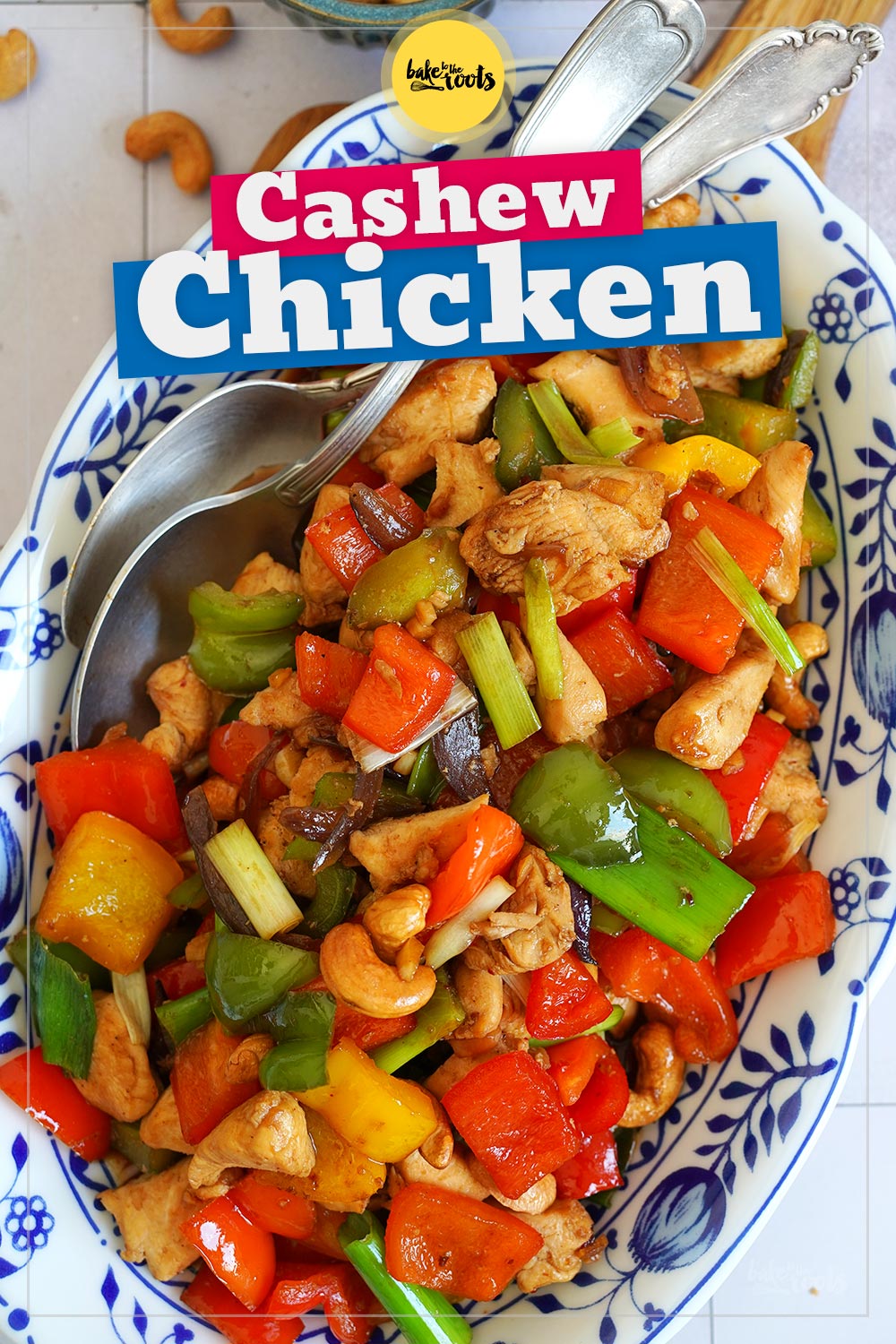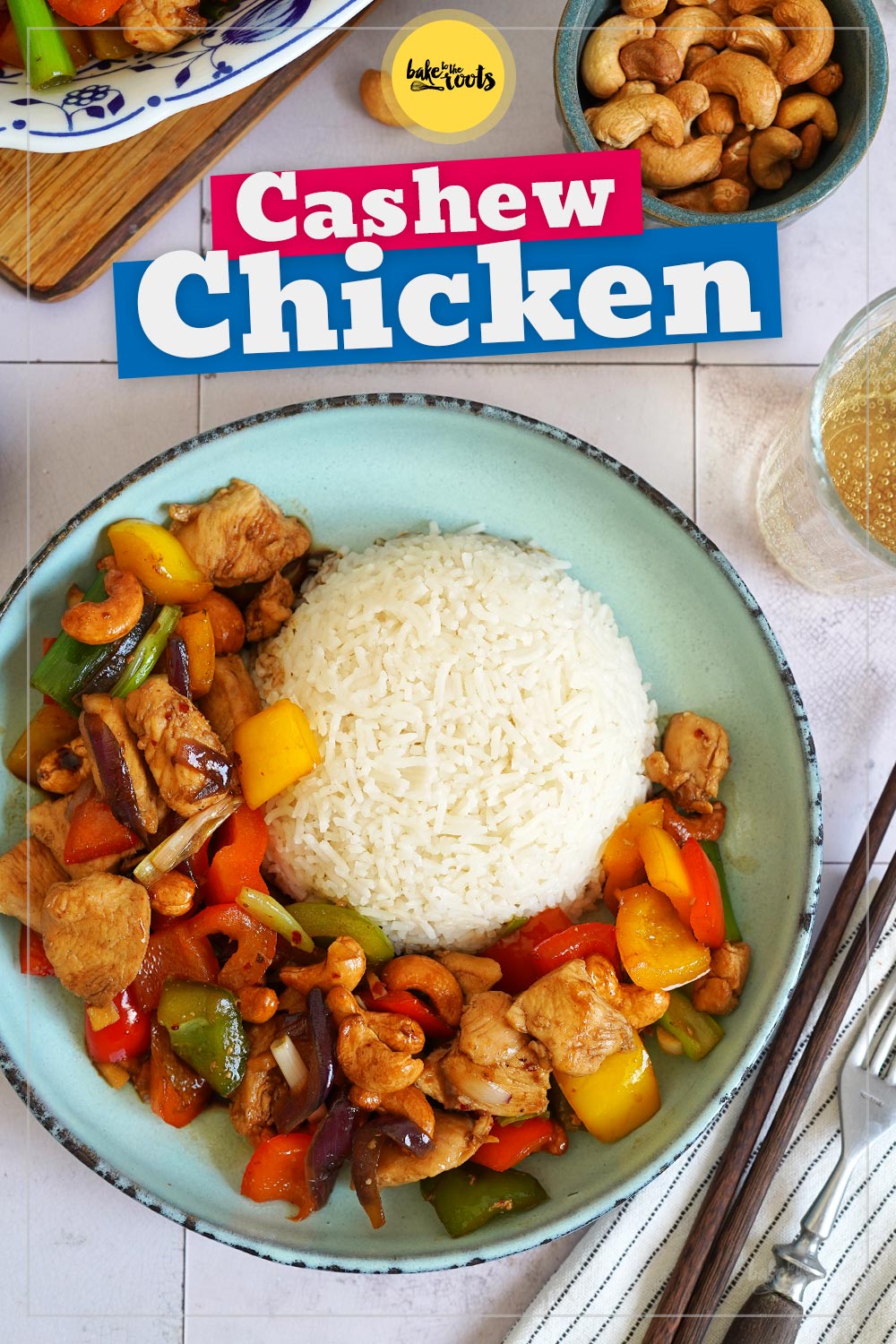


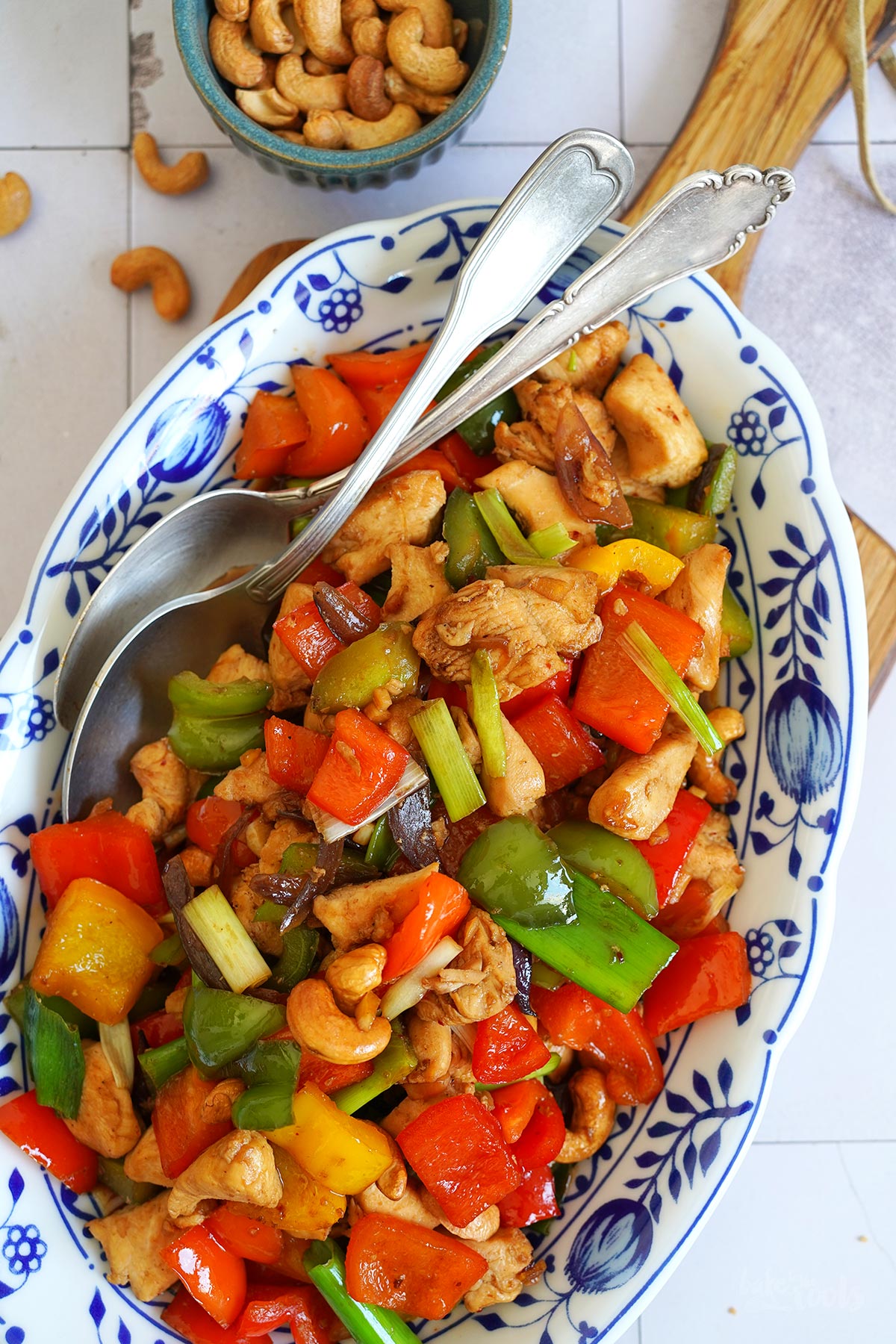
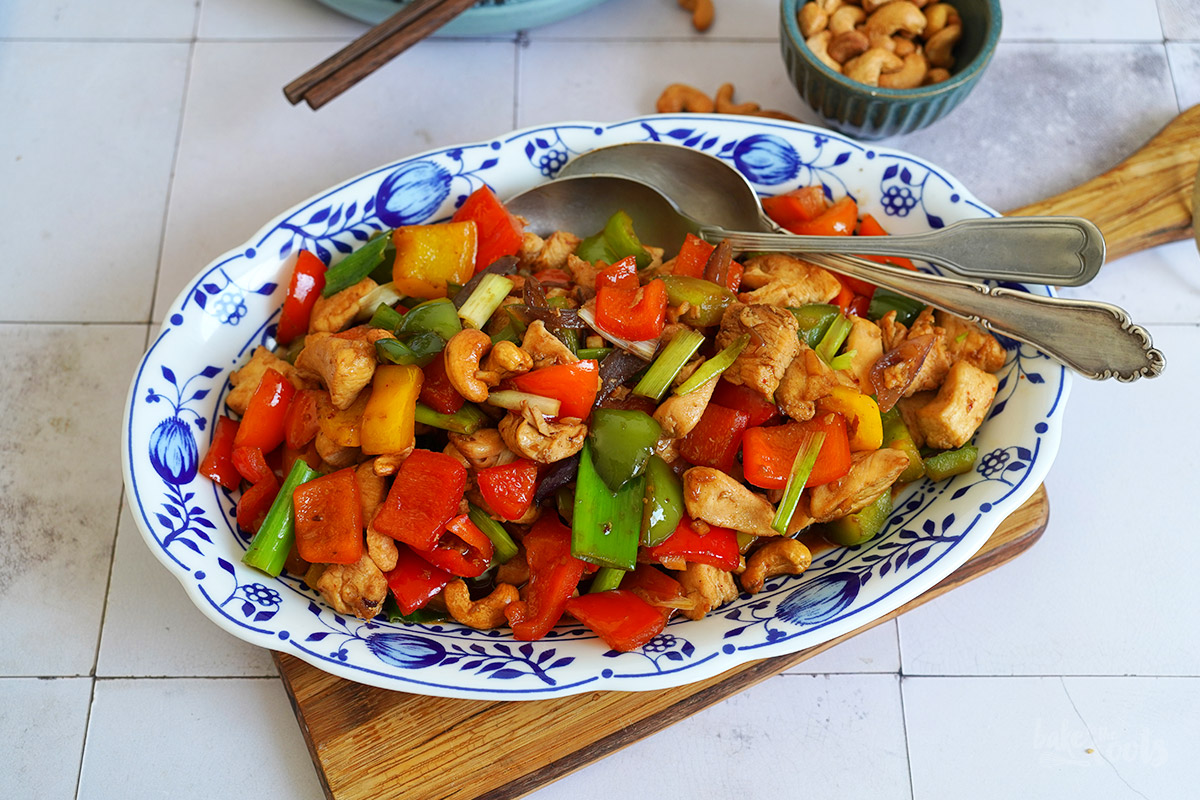
If you’ve always been looking for the ultimate recipe for Cashew Chicken (or in Thai, Gai Pad Med Mamuang Himmapan), you’ve come to the right place – extremely delicious, spicy, and simply irresistible! This dish is a true classic among Asian stir-fry recipes. It’s quick to make, incredibly flavorful, and perfect for a weeknight dinner when you’re in a hurry. With our tips and tricks, you’ll get a dish that can compete with any restaurant in terms of taste.
What is cashew chicken, exactly?
Cashew chicken is a popular stir-fry dish with chicken, veggies, and roasted cashews in a savory-sweet sauce. Its origins are in China, as you can tell from the use of sesame oil. Our recipe here is a Thai version of this popular dish, as cashew chicken is also very popular in Thailand. Of course, Thai people haven’t copied the dish exactly, but have added their own twist. Many say the Thai version is a bit lighter and spicier compared to the Chinese version – maybe it’s the fish sauce that adds more flavors? Who knows.
In Thailand, Gai Pad Med Mamuang Himmapan is a popular dish – not just among tourists. You can find it at food stalls in all sorts of street markets, but also in more upscale restaurants. For us, it’s an absolute must when we’re on vacation there. Unfortunately, that does not happen very often (Thailand is far away, and it’s not cheap to get there), so we’ve decided to prepare the dish more often at home.

Ingredients for a (hopefully) authentic Thai Cashew Chicken
As already mentioned, the Chinese version of the dish is slightly different from the Thai version. Many say that Chinese cashew chicken is served with more sauce, but the Thai version has more flavor. We can neither confirm nor deny this… we’ve had both versions with more and less sauce, and sometimes with more and sometimes with less seasoning. The difference we’ve seen in recipes, however, is the seasoning sauces used.
The ingredient list for cashew chicken seems quite extensive at first glance. You probably don’t have all of the ingredients at home by default. Here’s a brief overview of what you need and what you can possibly substitute.
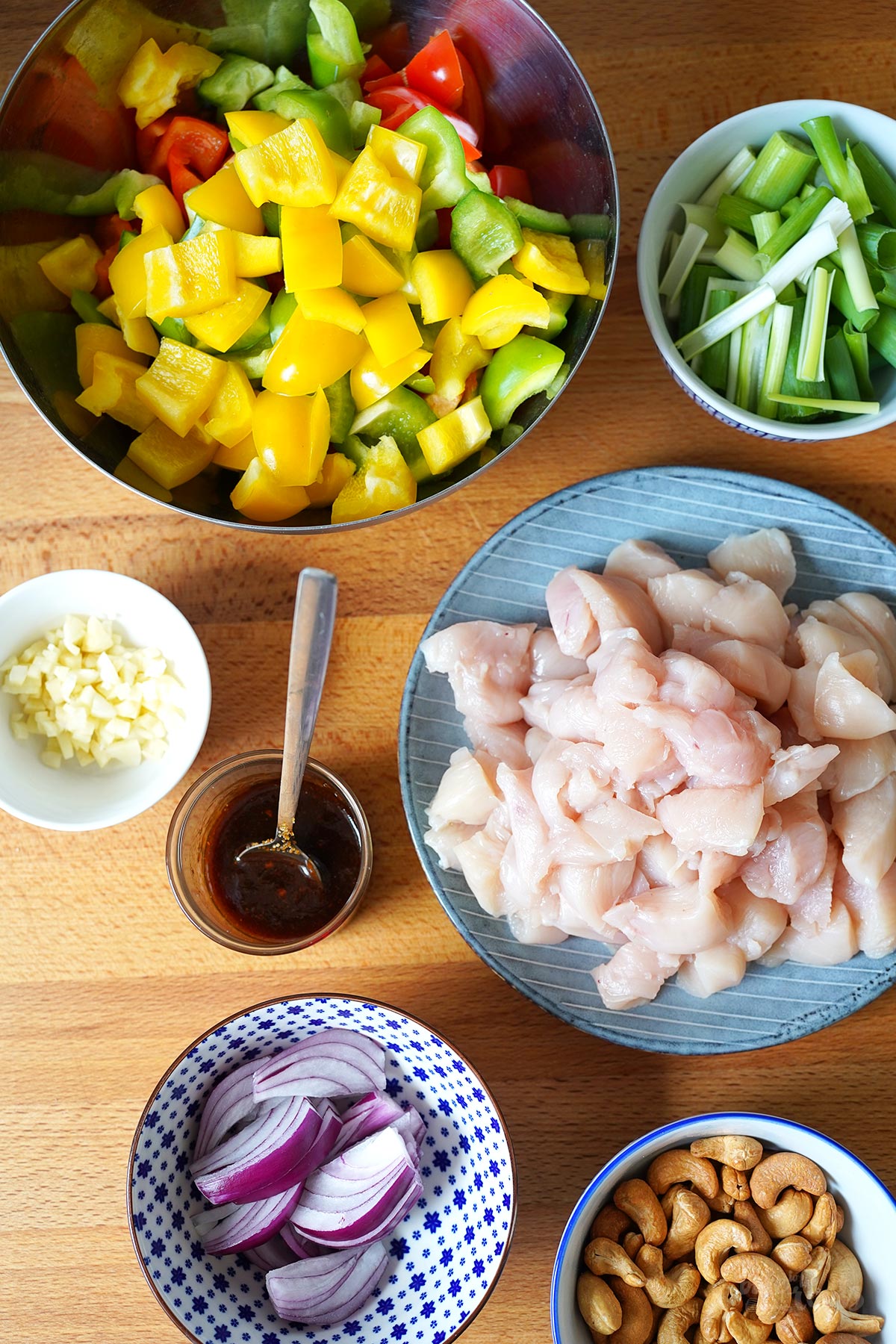
The basic ingredients
Chicken – we usually use chicken breast for this dish. The darker meat from the leg would be better, though, as it contains more fat and is juicier. However, if you don’t cut the chicken breast too small, you can use it too.
Garlic & onions – finely chop the garlic and cut the onion into thin wedges. We like to use red onions, but perhaps white onions or shallots would be more authentic.
Peppers – you can use any color you have on hand. Red, yellow, orange, or green are all fine. Cut them into bite-sized pieces and everything is fine.
Spring onions – For once, spring onions aren’t just for decoration. Finely chopped pieces (3-5 cm) go directly into the dish.
Cashews – Cashews should be unsalted and roasted. It’s best to roast some raw cashews yourself. By doing that you have full control over their crispness.
For the seasoning sauce
Oyster sauce – This sauce is used in Chinese and Thai recipes for cashew chicken. It adds a flavor that should not be missed.
Soy sauce – We use two types of soy sauce. The light soy sauce adds a salty component to the dish, while the dark and thicker soy sauce is a bit sweeter.
Thai chili paste (Nam Prik Pao) – The chili paste made with roasted chilies gives the dish a sweet and spicy note. You can choose between different versions – from mild to extra hot.
Fish sauce – This sauce is arguably the biggest difference between Chinese and Thai cashew chicken. This sauce adds a lot of flavors to the dish.
Toasted sesame oil – Sesame oil isn’t used quite as often in Thai dishes as it is used in Chinese recipes.
Sugar – Sugar is a staple in many Asian dishes. It’s often added to balance out saltier seasonings.
Many Thai cashew chicken recipes also use Golden Mountain Sauce. This is a soy sauce-based seasoning sauce that’s quite similar to our German Maggi seasoning.
As already mentioned, Chinese cashew chicken recipes leave out the fish sauce – but often use Shaoxing wine or Hoisin sauce instead. Of course, all of this isn’t mandatory – every cook has their own combination of spices and seasoning sauces to perfectly round out the dish to their personal taste.

Some tips for spicy and delicious cashew chicken
Crispy roasted cashews
Supermarkets already sell roasted cashews – however, these are usually salted or seasoned in some other way. It’s best to buy raw, unsalted cashews and then quickly roast them yourself – either in the oven or in the Air Fryer. It’s really easy to do!
Marinating the chicken is worth the extra effort
You don’t have to let the chicken marinate for ages – 20 minutes is perfectly sufficient. A bath in soy sauce and water ensures that the meat stays nice and juicy when cooked. This small, additional step makes a big difference, so don’t skip it.
Stir-frying instead of deep-frying
Restaurants often bread and deep-fry the chicken for cashew chicken – this method is particularly common in the US. You could do that too, and the results are delicious. Simply stir-frying the meat without all the fuss in a wok will result in a less greasy and slightly healthier dish.
Timing is everything
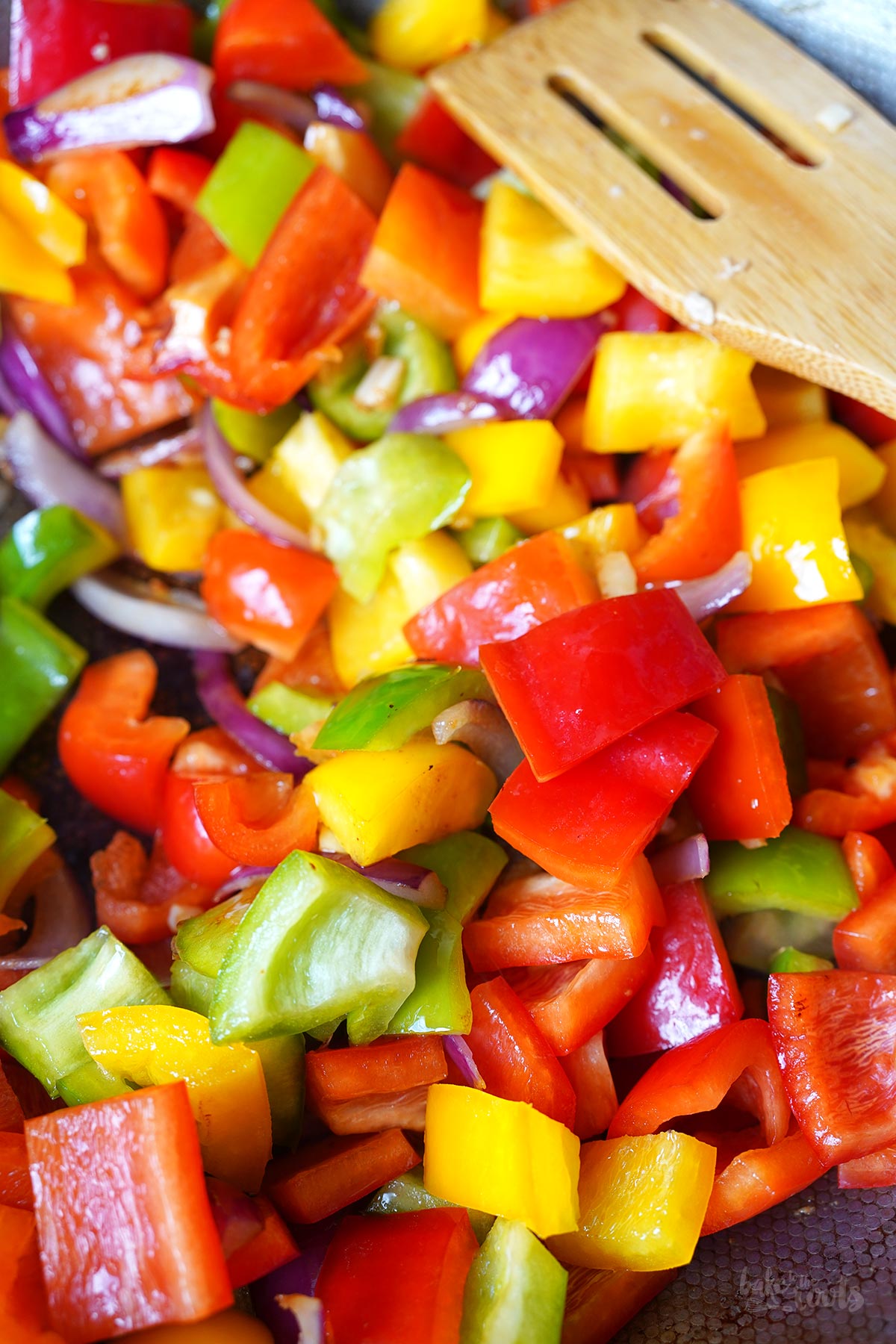
As with many stir-fry dishes, the order in which you add veggies, sauces, etc. is important. We fry the chicken first and then remove it from the wok. After that the onions and garlic go into the wok, followed by the peppers and spring onions, so they don’t get too soft during the frying/cooking process.
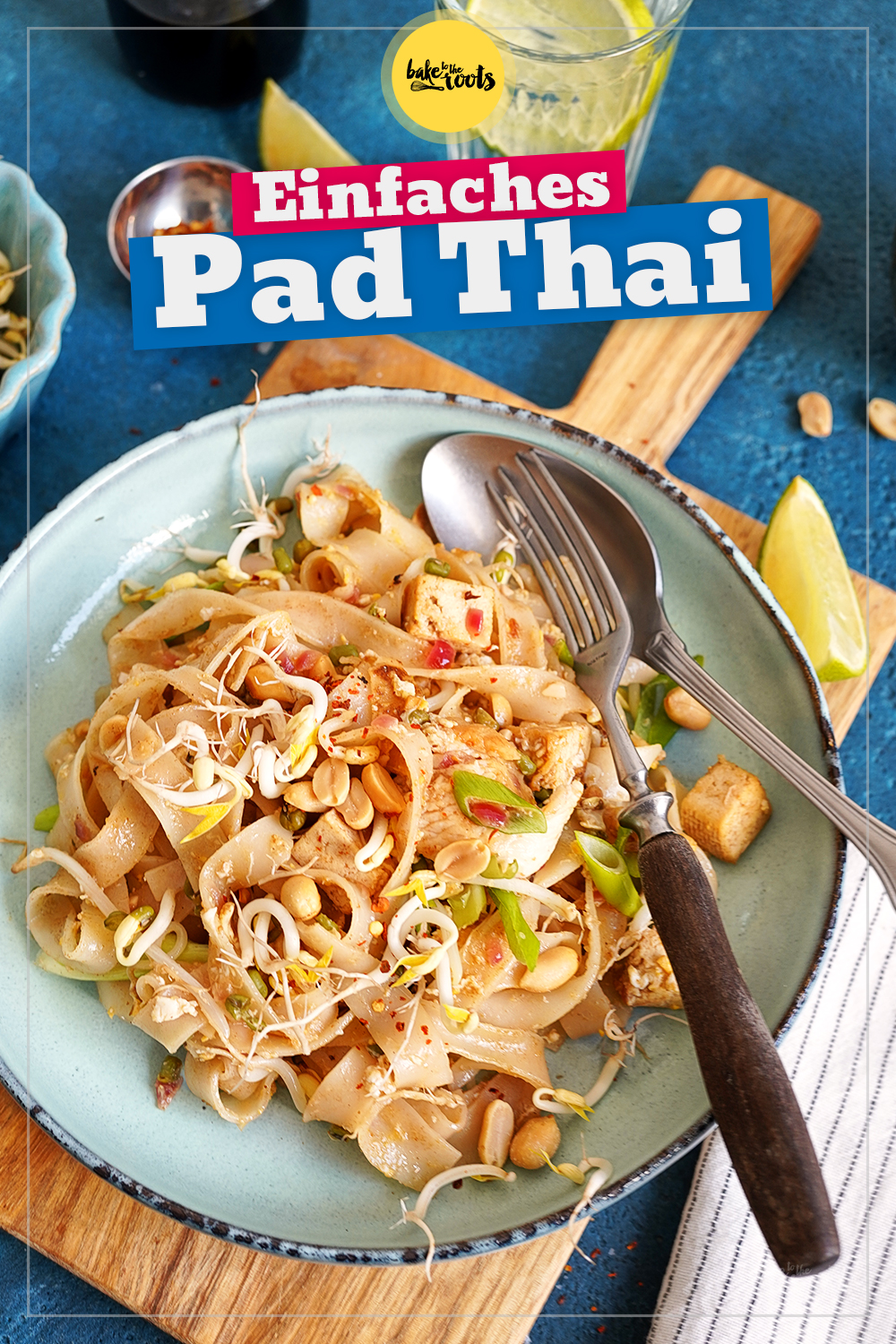
We love Thai cuisine – that’s the reason we often and happily cook Thai dishes. One of our favorite recipes from that corner of the world is definitely Pad Thai with Chicken. A simple stir-fry dish with noodles, veggies, and chicken. Extremely delicious and pretty quick to make if you prepare some of the ingredients in advance!
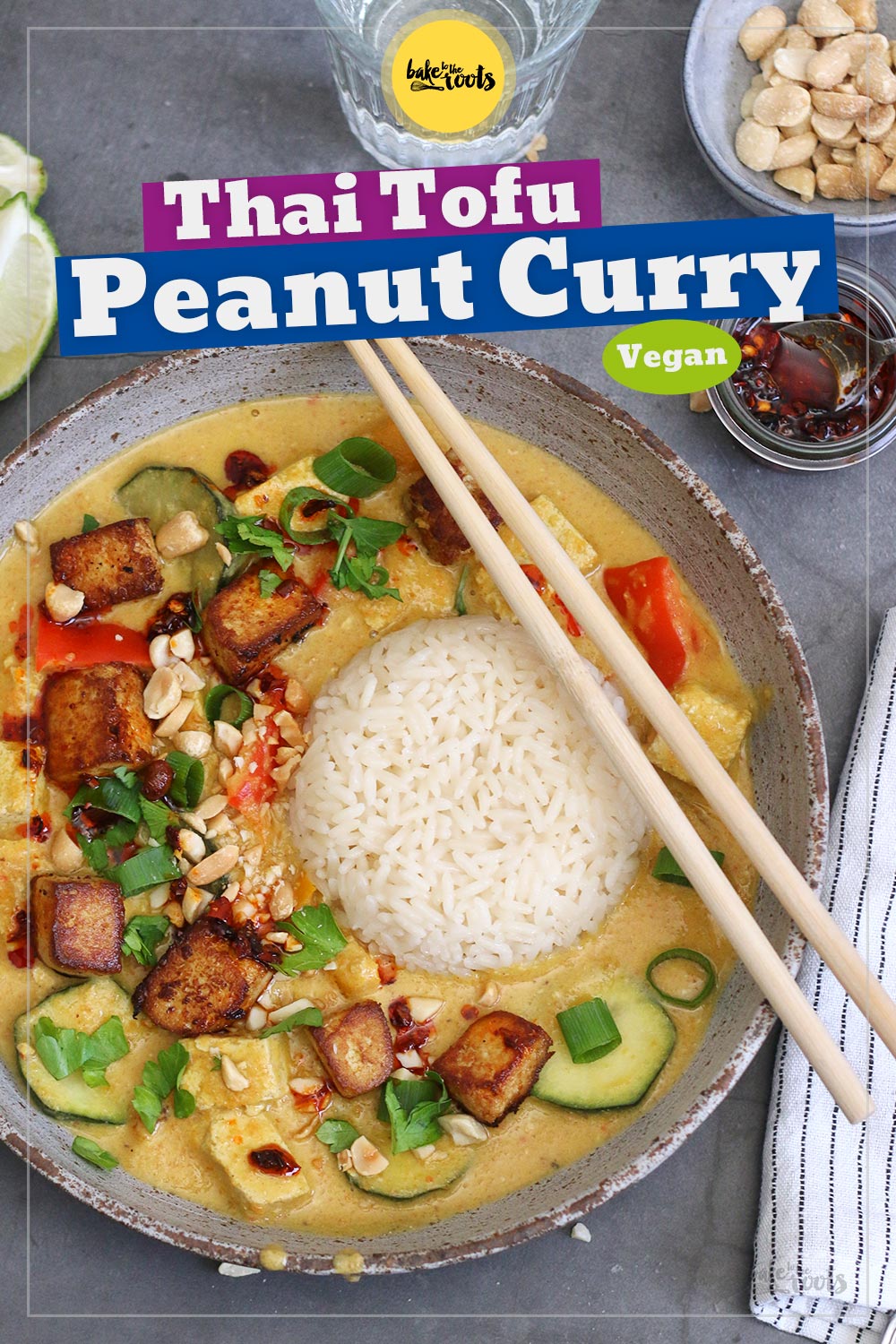
Our Vegan Thai Peanut & Tofu Curry has been on the blog for a while now – it’s also a delicious dish we highly recommend making. If you’re looking to cook something without meat and dairy products, this is a delicious option!
INGREDIENTS / ZUTATEN
(5 servings)
For the seasoning sauce:
1 tbsp. oyster sauce*
1 tbsp. soy sauce*
1 tbsp. black soy sauce*
1 tbsp. Thai chili paste*
2 tsp. fish sauce*
2 tsp. toasted sesame oil*
1 tsp. brown sugar
For the chicken:
some cooking oil (or toasted sesame oil*) for frying
21 oz (600g) chicken breast, in bite-size pieces
1 tbsp. soy sauce*
1 tbsp. water
1 red onion, in wedges
4-5 garlic cloves, chopped
2 red bell pepper, diced
1 yellow bell pepper, diced
1 green bell pepper, diced
To finish:
2 spring onions, halved lengthwise and cut in 3cm pieces
3.5 oz. (100g) raw cashews
cooked/steamed rice for serving
(5 Portionen)
Für die Würzsauce:
1 EL Austernsauce*
1 EL Sojasauce*
1 EL Schwarze Sojasauce*
1 EL Thai Chilipaste*
2 TL Fish Sauce*
2 TL geröstetes Sesamöl*
1 TL brauner Zucker
Für das Hähnchen:
etwas Bratöl (oder geröstetes Sesamöl*) zum Anbraten
600g Hähnchenbrust, in mundgerechten Stücken
1 EL Sojasauce*
1 EL Wasser
1 rote Zwiebel, in Spalten geschnitten
4–5 Knoblauchzehen, fein gehackt
2 rote Paprikaschoten, in Stücken
1 gelbe Paprikaschote, in Stücken
1 grüne Paprikaschote, in Stücken
Für das Finish:
2 Frühlingszwiebeln, längs halbiert und in etwa 3cm lange Stücke geschnitten
100g Cashewnüsse
gekochter/gedämpfter Reis zum Servieren

DIRECTIONS / ZUBEREITUNG
1. Start by roasting the cashews. You can roast the cashews in an Air Fryer at 170°C (340°F) for about 4-6 minutes or in a regular oven at 180°C (350°F) for about 8-10 minutes. Move/shake the nuts several times, so they roast evenly. You want them golden brown, but not burned.
2. For the seasoning sauce, mix oyster sauce, regular soy sauce, black soy sauce, Thai chili paste, fish sauce, sesame oil, and brown sugar in a small bowl until well combined. Set aside.
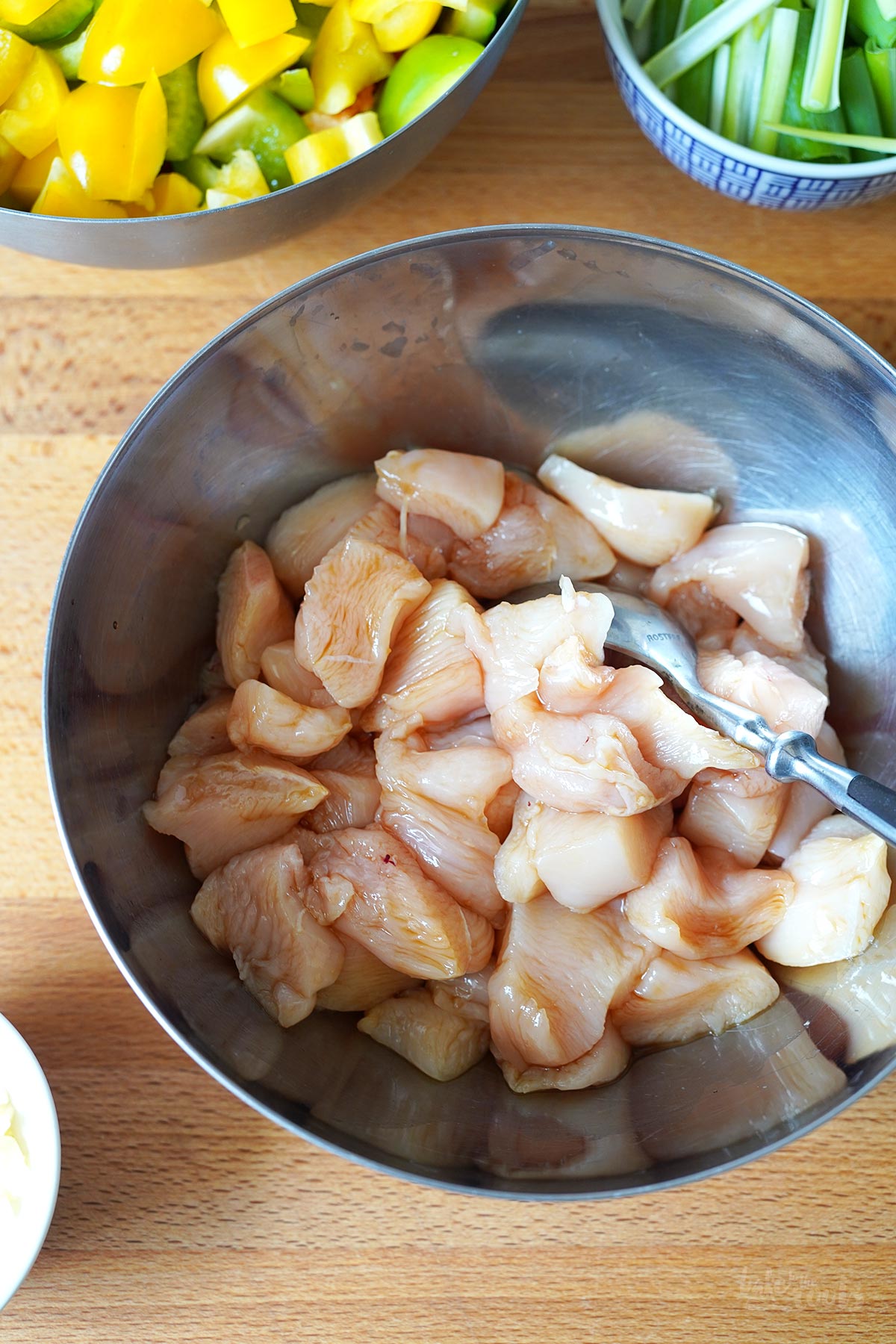
3. Clean the chicken breast and cut it into bite-size pieces. Add it together with the soy sauce and water to a bowl and mix to combine. Cover the bowl and let the chicken marinate for about 20 minutes.
4. Prepare the veggies – peel the onion and garlic and cut the onion in thin wedges and chop the garlic. Wash and dry the bell peppers, remove the seeds and cut them into bite-size pieces.
5. Heat up a large wok* or frying pan* with some oil. Add the marinated chicken and spread it evenly. Do not move the chicken for several minutes so it can brown nicely. When you got some browning happening, move the chicken and continue cooking, stirring frequently. You want the chicken to be cooked completely. Remove from the wok/frying pan and set aside.
6. Add some more oil if needed, then add the onion and garlic and sauté until soft and slightly browned. Next, add the bell peppers and let them cook/brown for some time. Add the chicken back to the wok/frying pan, as well as the seasoning sauce, and mix until all is well combined. Let everything cook for a minute or so.
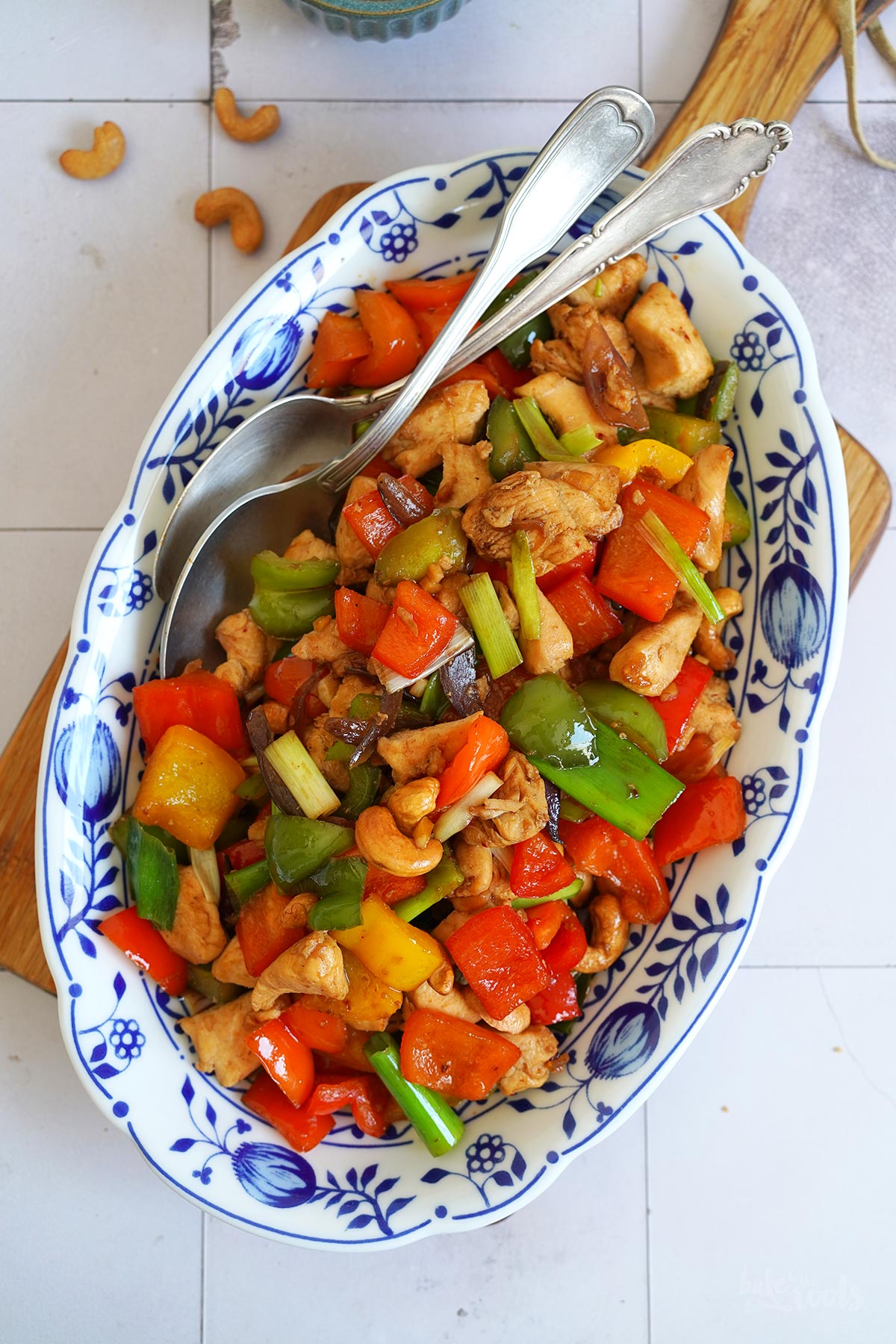
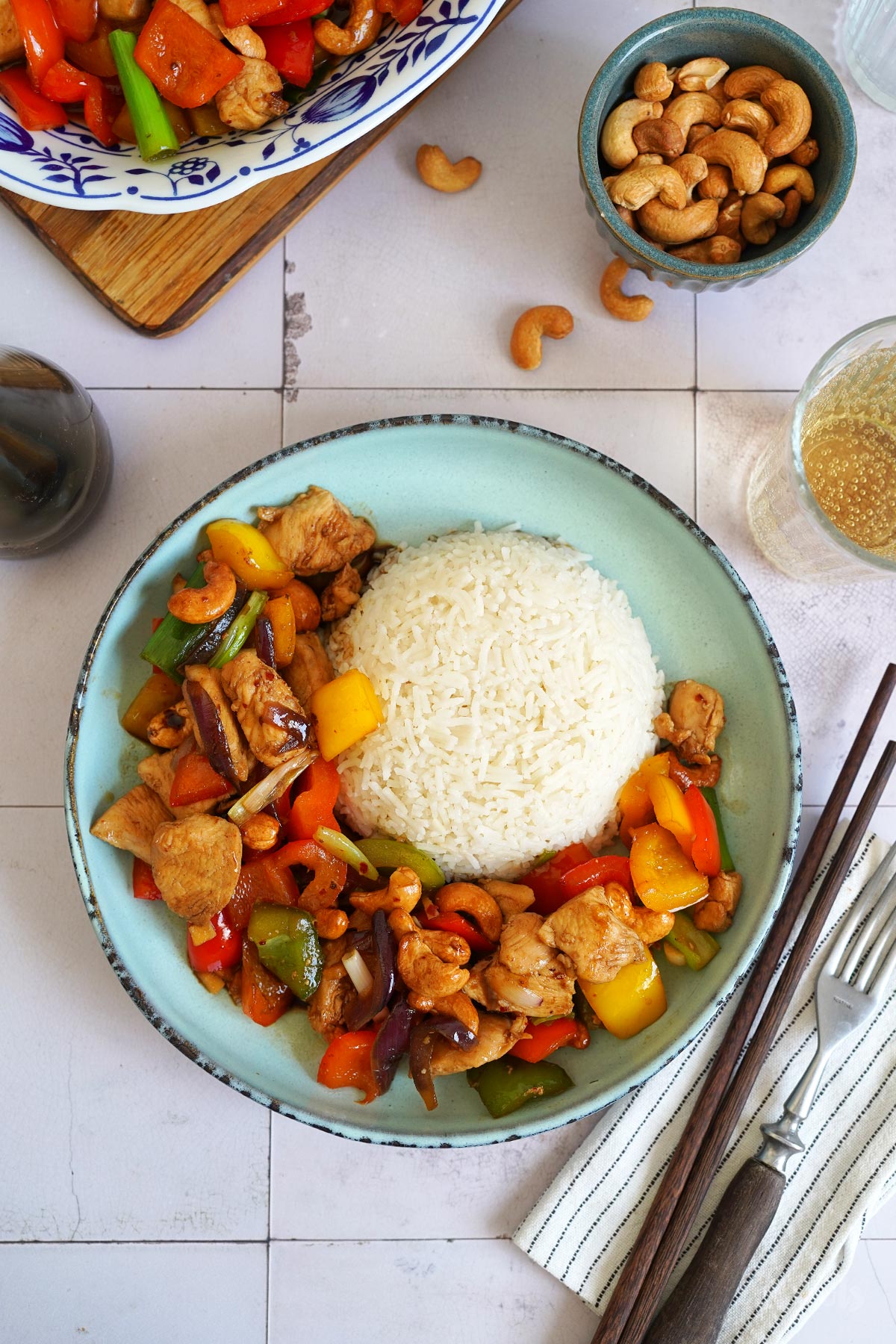
7. To finish the dish, add the spring onion and roasted cashews and mix in. Serve the cashew chicken with cooked/steamed rice.
1. Mit den Cashews starten – die müssen erst einmal geröstet werden. Das kann man in einem AirFryer bei 170°C (340°F) für etwa 4-6 Minuten tun, oder im Ofen bei 180°C (350°F) für etwa 8-10 Minuten. Zwischendurch mehrmals schütteln/wenden, damit die Nüsse gleichmäßig rösten. Die Nüsse sollten goldbraun werden, aber nicht verbrennen.
2. Für die Würzsauce, die Austernsauce, normale Sojasauce, Schwarze Sojasauce, Thai Chilipaste, Fischsauce, Sesamöl und braunen Zucker in einer kleinen Schüssel verrühren und zur Seite stellen.
3. Die Hähnchenbrüste säubern und in mundgerechte Stücke schneiden. Zusammen Sojasauce und Wasser in eine Schüssel geben und alles gut vermengen. Die Schüssel abdecken und das Hähnchen etwa 20 Minuten marinieren lassen.
4. Als Nächstes das Gemüse vorbereiten. Dazu die Zwiebel und Knoblauch schälen, die Zwiebel in dünne Spalten schneiden und den Knoblauch fein hacken. Die Paprikaschoten waschen, trocknen, die Innereien entfernen und dann in mundgerechte Stücke schneiden.
5. Einen großen Wok* oder eine große Pfanne* mit etwas Öl erhitzen. Das marinierte Fleisch dazugeben und gleichmäßig im Wok bzw. in der Pfanne verteilen. Das Fleisch einige Minuten lang nicht bewegen, damit es etwas Farbe annehmen kann. Wenn das Fleisch schön gebräunt ist, alles durchmengen. Das Hühnchenfleisch sollte komplett durchgegart werden. Das Fleisch herausnehmen und zur Seite stellen.
6. Je nach Bedarf noch etwas Öl nachlegen, dann Zwiebel und Knoblauch dazugeben und kurz anschwitzen, bis die Zwiebeln weicher und nur leicht gebräunt sind. Als Nächstes die Paprika dazugeben und einige Zeit mit anbraten. Das Hähnchenfleisch zurück in den Wok bzw. die Pfanne geben, die Würzsauce darüber gießen und alles gut vermischen – alles etwa eine Minute lang kochen lassen.
7. Zum Schluss die Frühlingszwiebeln und gerösteten Cashewnüsse dazugeben und untermengen. Das Cashew Chicken mit gekochtem/gedämpftem Reis servieren.
Craving more? Keep in touch on Facebook, Instagram and Pinterest for new post updates and more. You can also contact me with any questions or inquiries!
Here is a version of the recipe you can print easily.
Print
Cashew Chicken with Rice
- Prep Time: 00:25
- Cook Time: 00:10
- Total Time: 00:35
- Yield: 5 1x
- Category: Dinner
- Cuisine: International
Description
One of our favorite Thai dishes we love to make over and over again: Simple & easy Cashew Chicken with Rice. So good – the whole family loves it!
Ingredients
For the seasoning sauce:
1 tbsp. oyster sauce*
1 tbsp. soy sauce*
1 tbsp. black soy sauce*
1 tbsp. Thai chili paste*
2 tsp. fish sauce*
2 tsp. toasted sesame oil*
1 tsp. brown sugar
For the chicken:
some cooking oil (or toasted sesame oil*) for frying
21 oz (600g) chicken breast, in bite-size pieces
1 tbsp. soy sauce*
1 tbsp. water
1 red onion, in wedges
4-5 garlic cloves, chopped
2 red bell pepper, diced
1 yellow bell pepper, diced
1 green bell pepper, diced
To finish:
2 spring onions, halved lengthwise and cut in 3cm pieces
3.5 oz. (100g) raw cashews
cooked/steamed rice for serving
Instructions
1. Start by roasting the cashews. You can roast the cashews in an Air Fryer at 170°C (340°F) for about 4-6 minutes or in a regular oven at 180°C (350°F) for about 8-10 minutes. Move/shake the nuts several times, so they roast evenly. You want them golden brown, but not burned.
2. For the seasoning sauce, mix oyster sauce, regular soy sauce, black soy sauce, Thai chili paste, fish sauce, sesame oil, and brown sugar in a small bowl until well combined. Set aside.
3. Clean the chicken breast and cut it into bite-size pieces. Add it together with the soy sauce and water to a bowl and mix to combine. Cover the bowl and let the chicken marinate for about 20 minutes.
4. Prepare the veggies – peel the onion and garlic and cut the onion in thin wedges and chop the garlic. Wash and dry the bell peppers, remove the seeds and cut them into bite-size pieces.
5. Heat up a large wok* or frying pan* with some oil. Add the marinated chicken and spread it evenly. Do not move the chicken for several minutes so it can brown nicely. When you got some browning happening, move the chicken and continue cooking, stirring frequently. You want the chicken to be cooked completely. Remove from the wok/frying pan and set aside.
6. Add some more oil if needed, then add the onion and garlic and sauté until soft and slightly browned. Next, add the bell peppers and let them cook/brown for some time. Add the chicken back to the wok/frying pan, as well as the seasoning sauce, and mix until all is well combined. Let everything cook for a minute or so.
7. To finish the dish, add the spring onion and roasted cashews and mix in. Serve the cashew chicken with cooked/steamed rice.
Notes
Let your creativity shine in the kitchen!
Links marked with an asterisk (*) are affiliate links (advertising/Werbung) to Amazon Germany. If you click on one of those links and buy something via this link, I will get a commission for that sale. The price of whatever you buy is not affected in any way by this.