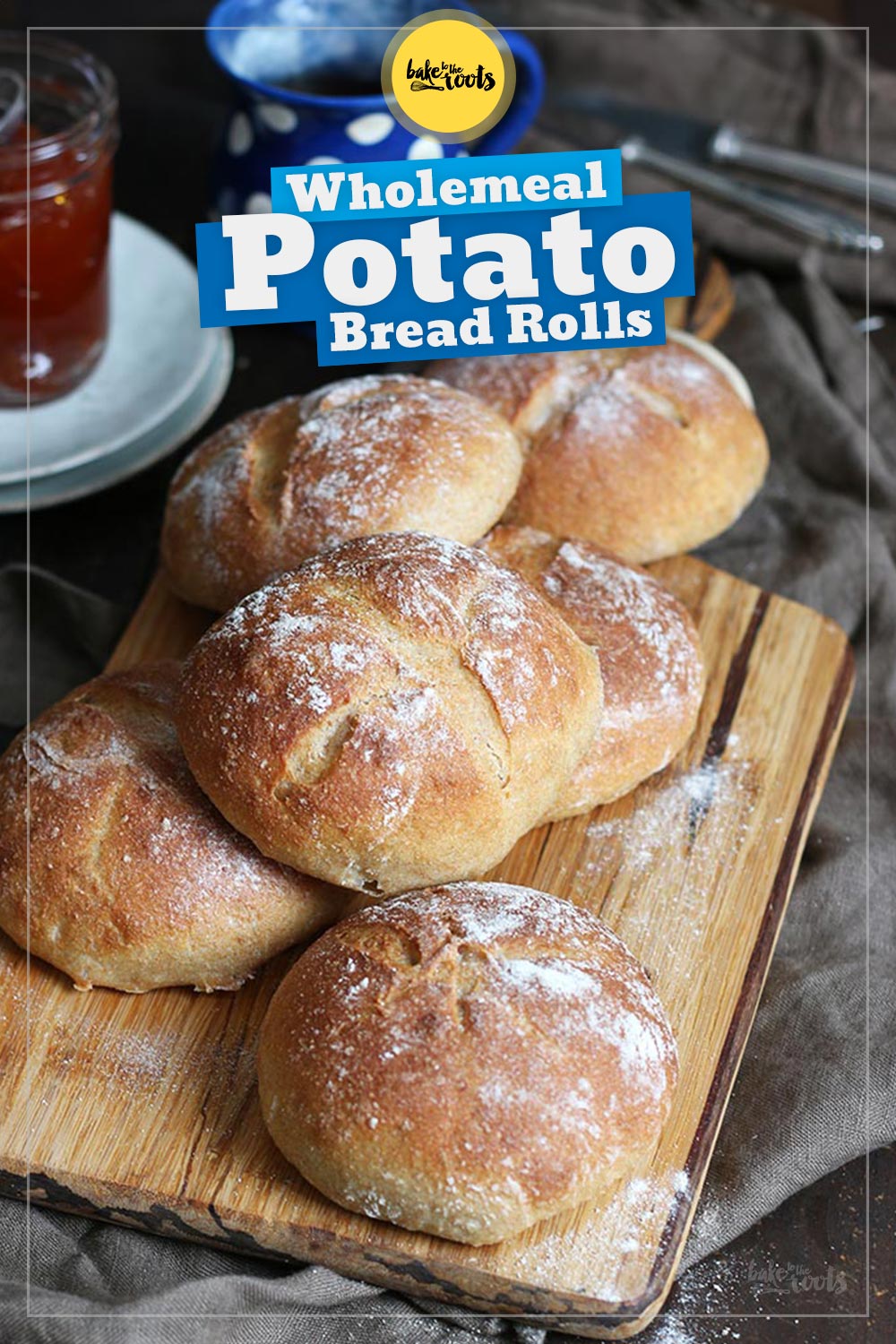


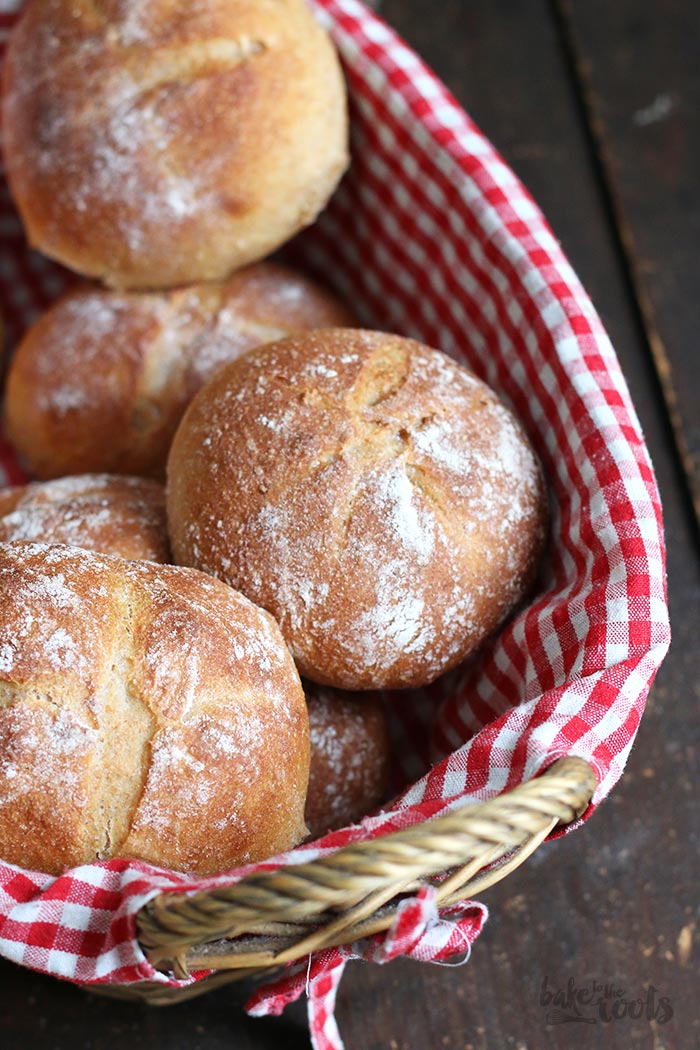
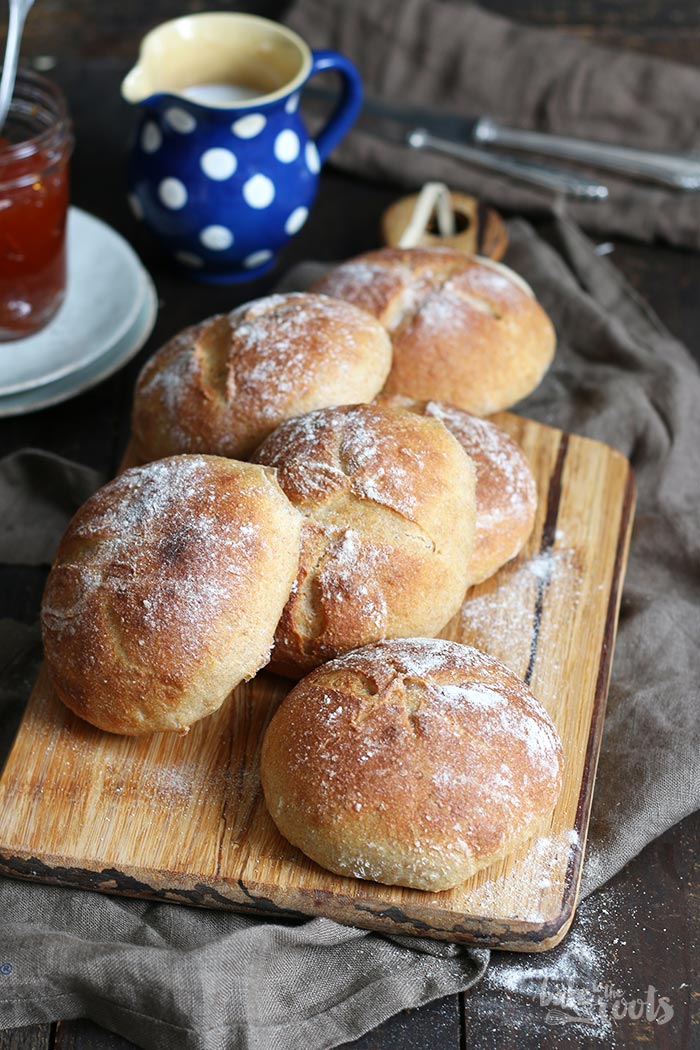
To what group do you belong to? Do you prefer breakfast at home or do you like to go out for breakfast/brunch at a café or restaurant? We like to do both, but when we want to make it really cozy, we have breakfast at home with freshly baked rolls, like these Potato Spelt Wholemeal Bread Rolls. Homemade, not bought at the bakery. It may sound complicated to bake bread rolls at home at first, but these here are quite easy to bake. You just have to get up a little earlier, but you probably already guessed that.
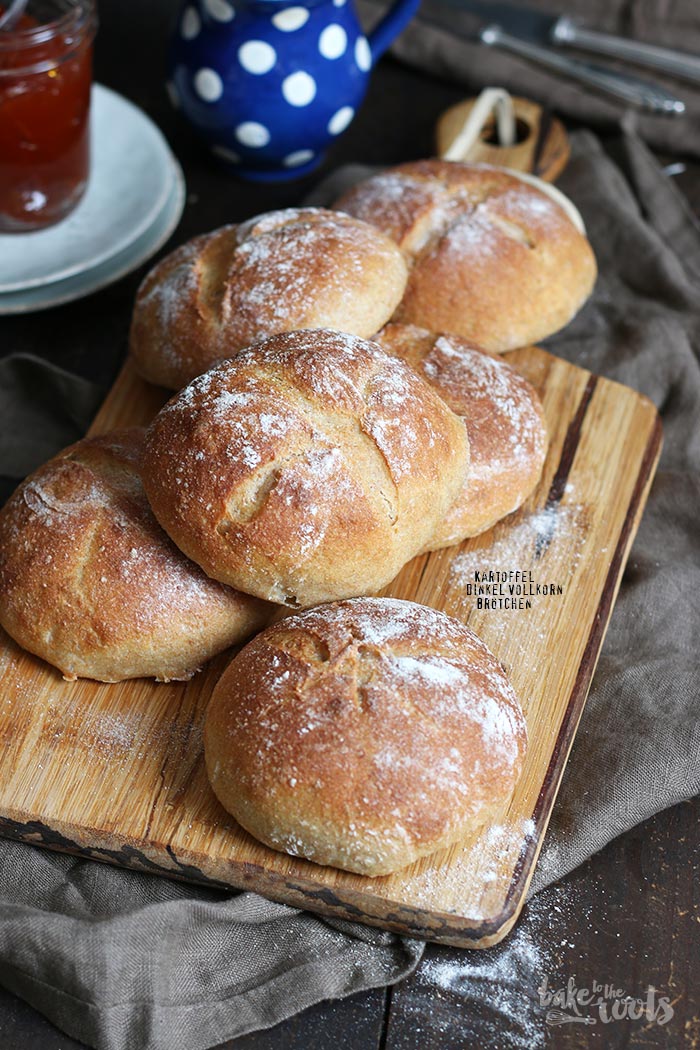
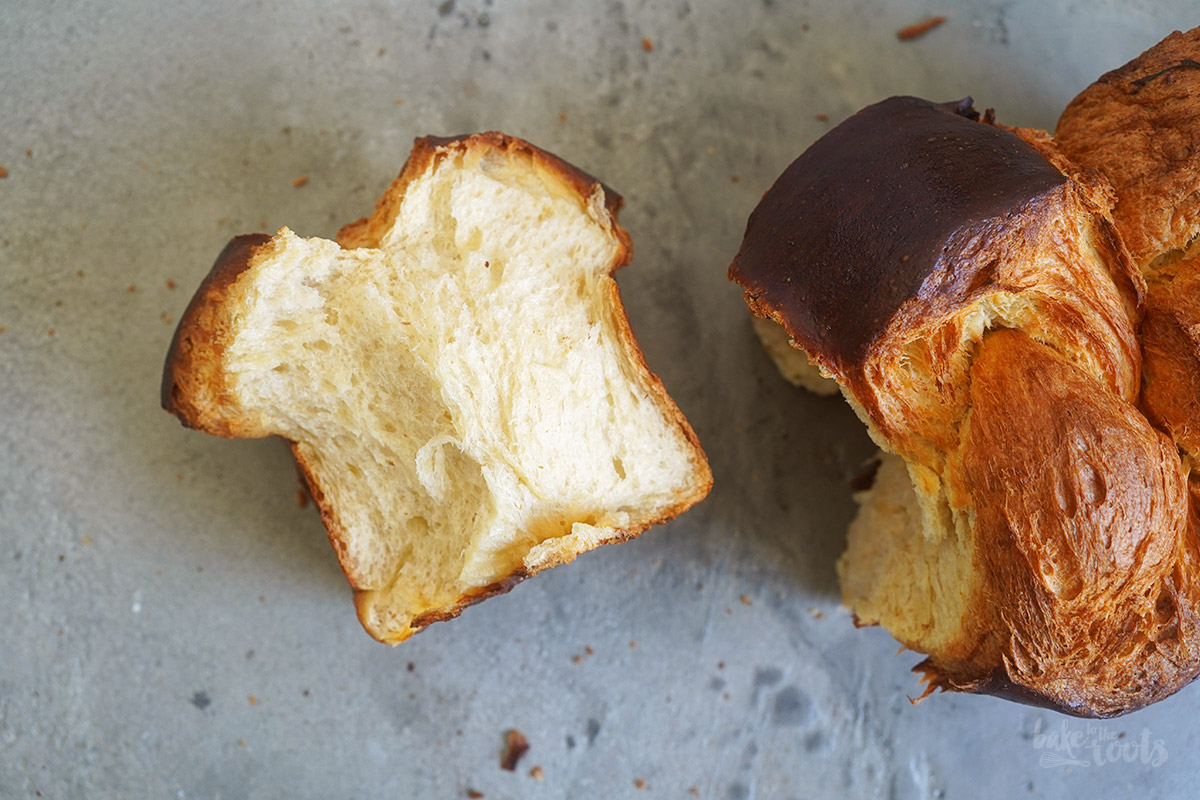
Potato bread rolls are simply brilliant. They have a lovely, crispy crust and the inside is nice, light and airy. Thanks to the potatoes, the bread rolls are never dry and stay fresh for a long time. Even if shelf life isn’t that important (these bread rolls are normally gone instantly), it never hurts to have leftovers that can (theoretically) last longer.
To be honest, I’m not an expert on bread or bread rolls. I’d love to be one, but baking that stuff it’s often too much effort for me… says someone who can spend two days tinkering with a cake. Haha. Seriously though, baking bread and bread rolls is an art form. You work with simple ingredients only, but they typically require quite a lot of attention and effort to turn into bread or bread rolls. Here a poolish, there a proofing piece, a fermentation something-or-other… and a looooot of time. It can be quite exhausting.
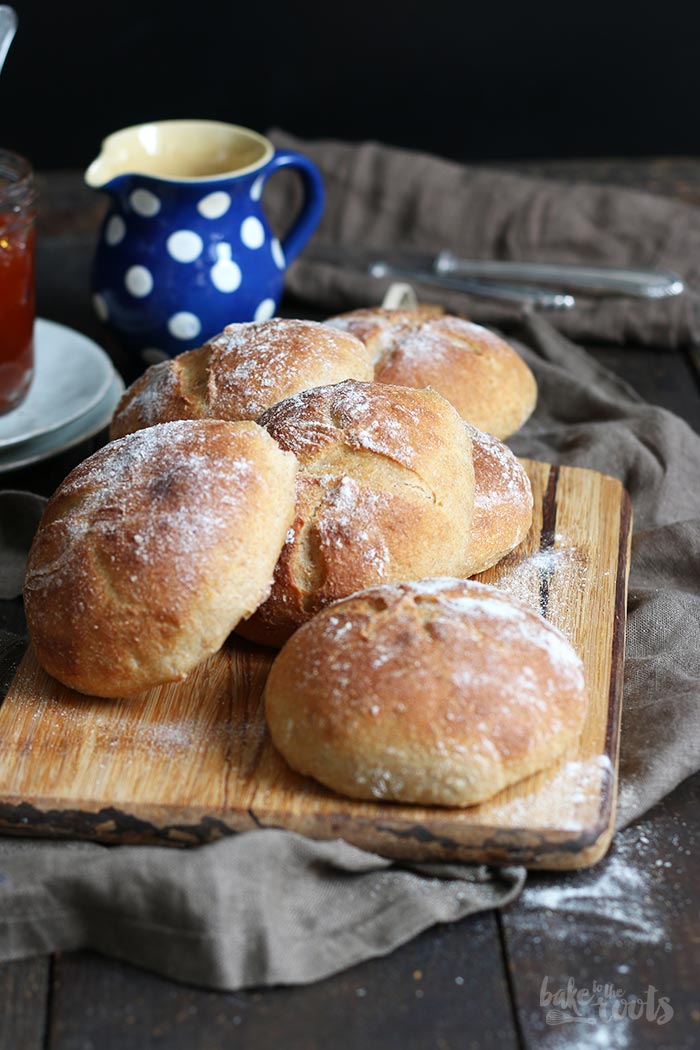
Well, saying that – that’s why I love these simple potato rolls. They are a bit easier to prepare, don’t need two days’ preparation time, and they taste delicious too! It appears that potato rolls have a built-in guarantee of success. At least, that’s how we’ve experienced it so far. We have never failed when baking potato bread rolls. No matter which recipe we use. Every time, we get delicious, crispy bread rolls for breakfast. What more could you want?!
For this recipe, we used freshly ground spelt flour for a change – ground right before it had to be used for the dough. It was actually still warm when it was combined with the other ingredients. Mockmill** was kind enough to let us try one of their grain mills. We’re not actually big fans of whole grain flours. Don’t get me wrong – you’ll always find different types of flour in our kitchen cupboard, but for cakes and the like, we mostly use plain old all-purpose flour. Cakes, pies, cupcakes, and cookies simply work best with regular white flour. When it comes to bread and bread rolls, it’s a different story – wholemeal flour reigns supreme.
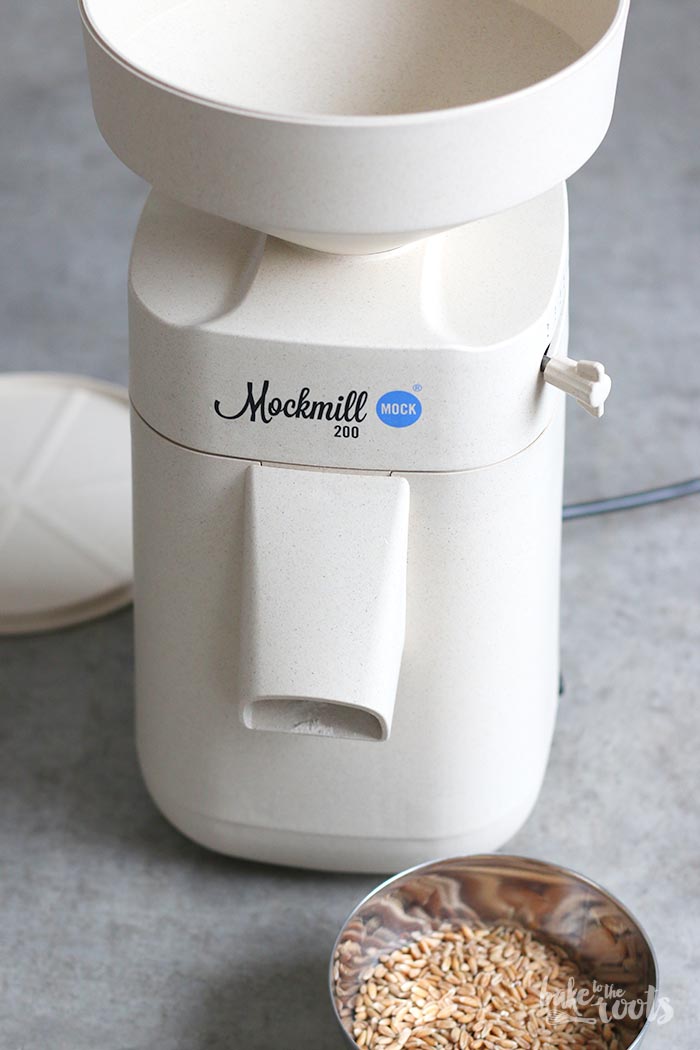
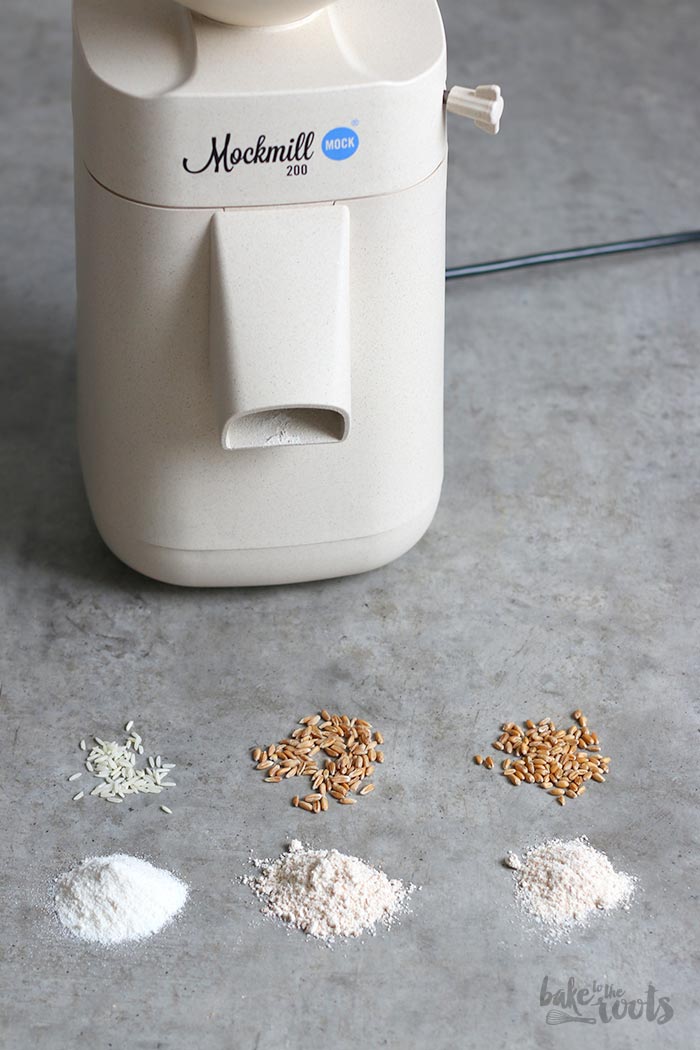
As I said at the beginning, I’m still a bit behind when it comes to baking bread. But now that I can grind flour at home, always fresh in the amount I need, and even determine how fine it’s going to be, hopefully that will all change soon. It can’t hurt to bake a little healthier, right?!
By the way, the little machine is quite a beast. If you buy one, you should have enough space in your kitchen. But in return, you always have freshly ground flour. That’s good, right?! Whether it’s spelt, wheat, or even rice – it’s all very easy and done quickly. Mocki (that’s what we call the machine) can grind spices as well. You can’t use it for nuts, though. That’s a shame, but there’s just too much oil in nuts, which would make everything sticky. So a big »no-no« here.
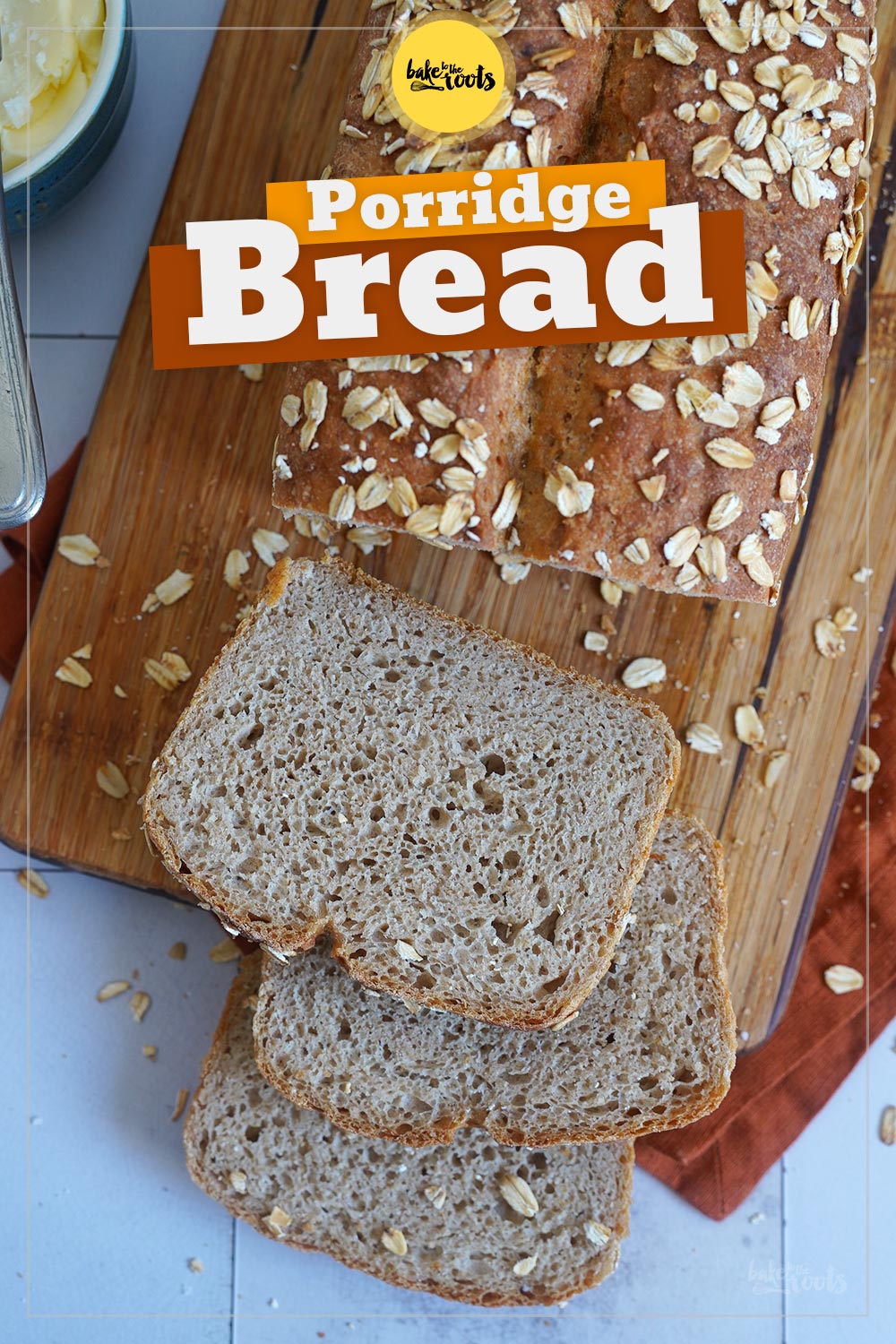
If you are looking for more simple bread and bread roll recipes, you’ll find more to try out here on the blog. Unfortunately, not as many as we would like to offer, but at least a small, fine selection. A good example of this is our Easy Porridge Bread, which can be prepared without any kneading. Simple and delicious!
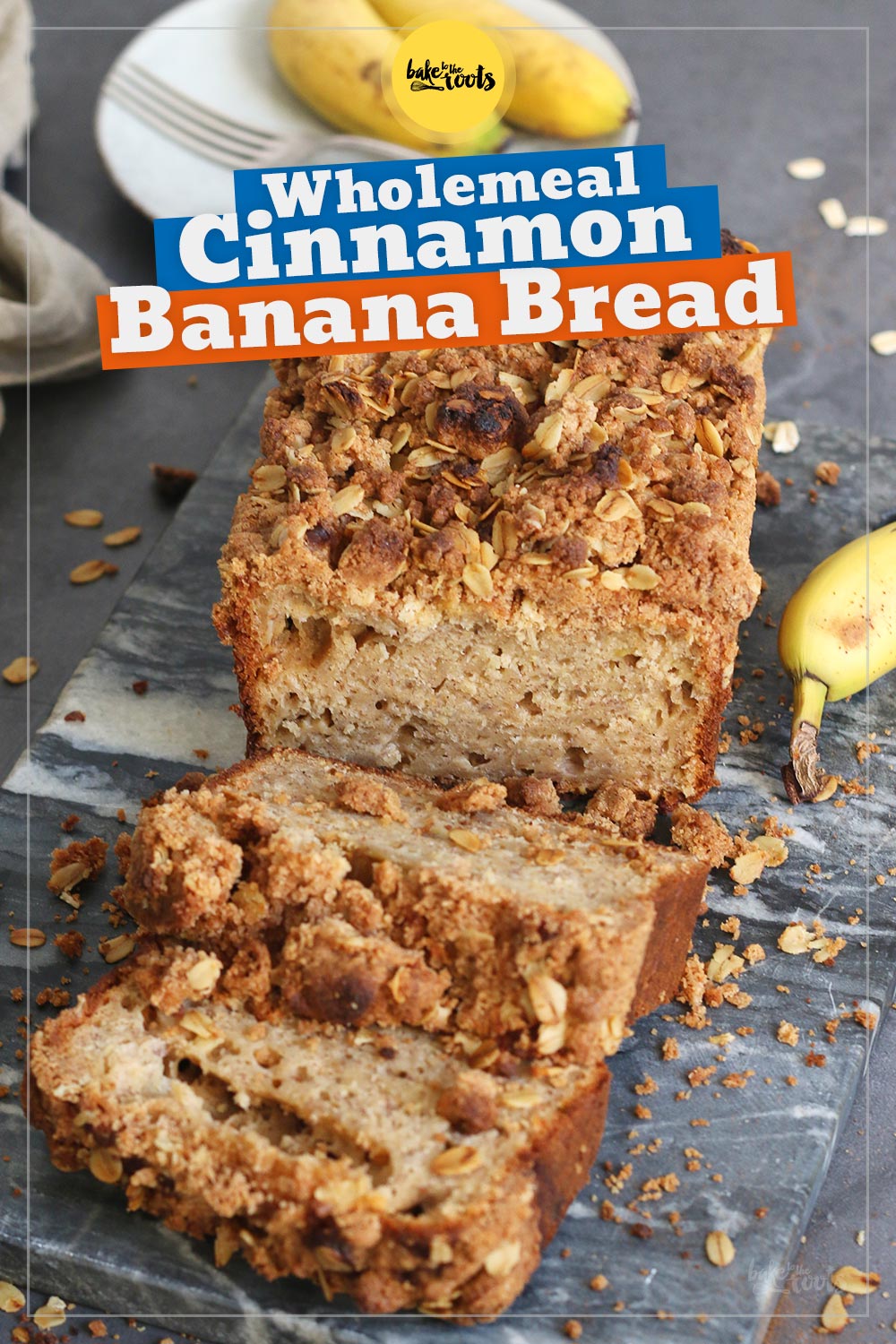
For those who like it a little sweeter, we’ve got a delicious Wholemeal Cinnamon Banana Bread on the blog as well. That one can also be made with home-ground wholemeal flour. Or if you don’t have anything to grind some grains, you can of course use ready-made wholemeal flour from the supermarket. No biggie.
INGREDIENTS / ZUTATEN
(for 6-8 bread rolls)
5.3 oz. (150g) potatoes, cooked
3.4 fl. oz. (100ml) lukewarm water
1/4 cup (60ml) lukewarm milk
1/2 tsp. sugar
0.4 oz. (12g) fresh yeast
7 oz. (200g) spelt wholemeal flour*
3.5 oz. (100g) all-purpose flour*
3/4 tsp. salt
(für 6-8 Brötchen)
150g Kartoffeln, gekocht
100ml lauwarmes Wasser
60ml lauwarme Milch
1/2 TL Zucker
12g frische Hefe
200g Dinkel Vollkornmehl*
110g Weizenmehl (Type 405)*
3/4 TL Salz
DIRECTIONS / ZUBEREITUNG
1. Start by cooking potatoes in a good amount of salted water – depending on the size of the potatoes, this can take 15-20 minutes. Take them out of the water, rinse them with cold water, and let them cool down. Next, peel the potatoes and press them through a potato press* or use a fork to mash them. Set aside.
2. Mix the lukewarm water with the milk and sugar in a bowl, crumble the yeast, and add it to the bowl as well. Stir until the yeast has dissolved completely. Let the mixture sit for about 10 minutes.
3. Mix the two types of flour as well as the salt in a large bowl. Add the yeast mixture and the potatoes and knead everything until you get a smooth dough. Cover the dough and leave it to rise in a warm place for about 1 hour – the volume should have doubled.
4. Knead the dough again briefly on a well-floured surface, then divide it into 6 to 8 portions and shape them into balls. Dust those balls with a little flour, place them on a large piece of baking parchment, cover them, and leave them to rise again for about 45-50 minutes.
5. Preheat the oven with a baking tray or pizza stone* to a temperature of 220°C (425°F) for at least 30 minutes. Cut into the dough balls crosswise with a sharp knife, then transfer them to the baking sheet or pizza stone together with the baking paper. Place a fireproof bowl of water in the oven and bake the rolls for about 15-20 minutes, or until golden brown. The rolls are done when you tap the bottom and it sounds hollow.
Note:
It is advisable to let the dough pieces rise on a board with the baking paper on top so that you can easily transfer them to the hot baking sheet or pizza stone in the oven later on. Be careful not to burn your fingers!
1. Als Erstes die Kartoffeln mit der Schale in ausreichend Salzwasser kochen, bis sie gar sind – dauert je nach Größe der Kartoffeln 15-20 Minuten. Dann einmal abschrecken und abkühlen lassen. Die abgekühlten Kartoffeln pellen und durch eine Kartoffelpresse* drücken oder mit einer Gabel zerquetschen. Zur Seite stellen.
2. Das lauwarme Wasser mit der Milch und dem Zucker in einer Schüssel vermischen, die Hefe zerbröckeln und dazugeben. Alles verrühren, bis sich die Hefe aufgelöst hat. Die Mischung für etwa 10 Minuten stehen lassen.
3. Die beiden Mehlsorten und das Salz in einer großen Schüssel vermischen. Die Hefemischung und die Kartoffeln dazugeben und alles zu einem glatten Teig verkneten. Den Teig abdecken und an einem warmen Ort für etwa 1 Stunde gehen lassen – das Volumen sollte sich in etwa verdoppelt haben.
4. Den Teig auf einer gut bemehlten Fläche noch einmal kurz durchkneten und dann in 6 bis 8 Portionen aufteilen und zu Kugeln formen. Die Kugeln dann mit etwas Mehl bestauben und auf ein großes Stück Backpapier legen, abdecken und noch einmal etwa 45-50 Minuten gehen lassen.
5. Den Backofen mitsamt Backblech oder einem Pizzastein* für mindestens 30 Minuten auf eine Temperatur von 220°C (425°F) Ober-/Unterhitze vorheizen. Die Teigkugeln mit einem scharfen Messer kreuzweise einschneiden und dann mit dem Backpapier auf das Blech bzw. den Pizzastein ziehen, eine feuerfeste Schüssel mit Wasser in den Ofen stellen und die Brötchen dann für etwa 15-20 Minuten goldbraun backen. Die Brötchen sind fertig, wenn man auf die Unterseite klopft und es hohl klingt.
Hinweis:
Es empfiehlt sich, die Teiglinge mit dem Backpapier auf einem Brett o.Ä. gehen zu lassen, damit man sie später problemlos von dort auf das heiße Blech oder den Pizzastein im Ofen ziehen kann. Auf jeden Fall vorsichtig arbeiten, damit man sich nicht die Finger verbrennt!
Craving more? Keep in touch on Facebook, Instagram and Pinterest for new post updates and more. You can also contact me with any questions or inquiries!
Here is a version of the recipe you can print easily.
Print
Potato Spelt Wholemeal Bread Rolls
- Prep Time: 00:30
- Cook Time: 00:20
- Total Time: 04:00
- Yield: 8 1x
- Category: Bread
- Method: -
- Cuisine: Germany
- Diet: Vegan
Description
Delicious homemade bread rolls with potato and spelt wholemeal flour. The perfect bread rolls for a relaxed Sunday breakfast or brunch with the family!
Ingredients
5.3 oz. (150g) potatoes, cooked
3.4 fl. oz. (100ml) lukewarm water
1/4 cup (60ml) lukewarm milk
1/2 tsp. sugar
0.4 oz. (12g) fresh yeast
7 oz. (200g) spelt wholemeal flour*
3.5 oz. (100g) all-purpose flour*
3/4 tsp. salt
Instructions
1. Start by cooking potatoes in a good amount of salted water – depending on the size of the potatoes, this can take 15-20 minutes. Take them out of the water, rinse them with cold water, and let them cool down. Next, peel the potatoes and press them through a potato press* or use a fork to mash them. Set aside.
2. Mix the lukewarm water with the milk and sugar in a bowl, crumble the yeast, and add it to the bowl as well. Stir until the yeast has dissolved completely. Let the mixture sit for about 10 minutes.
3. Mix the two types of flour as well as the salt in a large bowl. Add the yeast mixture and the potatoes and knead everything until you get a smooth dough. Cover the dough and leave it to rise in a warm place for about 1 hour – the volume should have doubled.
4. Knead the dough again briefly on a well-floured surface, then divide it into 6 to 8 portions and shape them into balls. Dust those balls with a little flour, place them on a large piece of baking parchment, cover them, and leave them to rise again for about 45-50 minutes.
5. Preheat the oven with a baking tray or pizza stone* to a temperature of 220°C (425°F) for at least 30 minutes. Cut into the dough balls crosswise with a sharp knife, then transfer them to the baking sheet or pizza stone together with the baking paper. Place a fireproof bowl of water in the oven and bake the rolls for about 15-20 minutes, or until golden brown. The rolls are done when you tap the bottom and it sounds hollow.
Notes
It is advisable to let the dough pieces rise on a board with the baking paper on top so that you can easily transfer them to the hot baking sheet or pizza stone in the oven later on. Be careful not to burn your fingers!
Links marked with an asterisk (*) are affiliate links (advertising/Werbung) to Amazon Germany. If you click on one of those links and buy something via this link, I will get a commission for that sale. The price of whatever you buy is not affected in any way by this.